I still remember the first time I rode across Tsushima as Jin Sakai. The wind pushed through the pampas grass, the sky turned the color of old iron, and every duel felt like a small, brutal poem. That is the feeling I want from a Ghost of Tsushima movie, and that is why Chad Stahelski’s promise still matters to me in 2026. The director has said the adaptation will stick closely to the game, and he has confirmed that his team is working closely with Sucker Punch Productions to protect what made the story work in the first place.
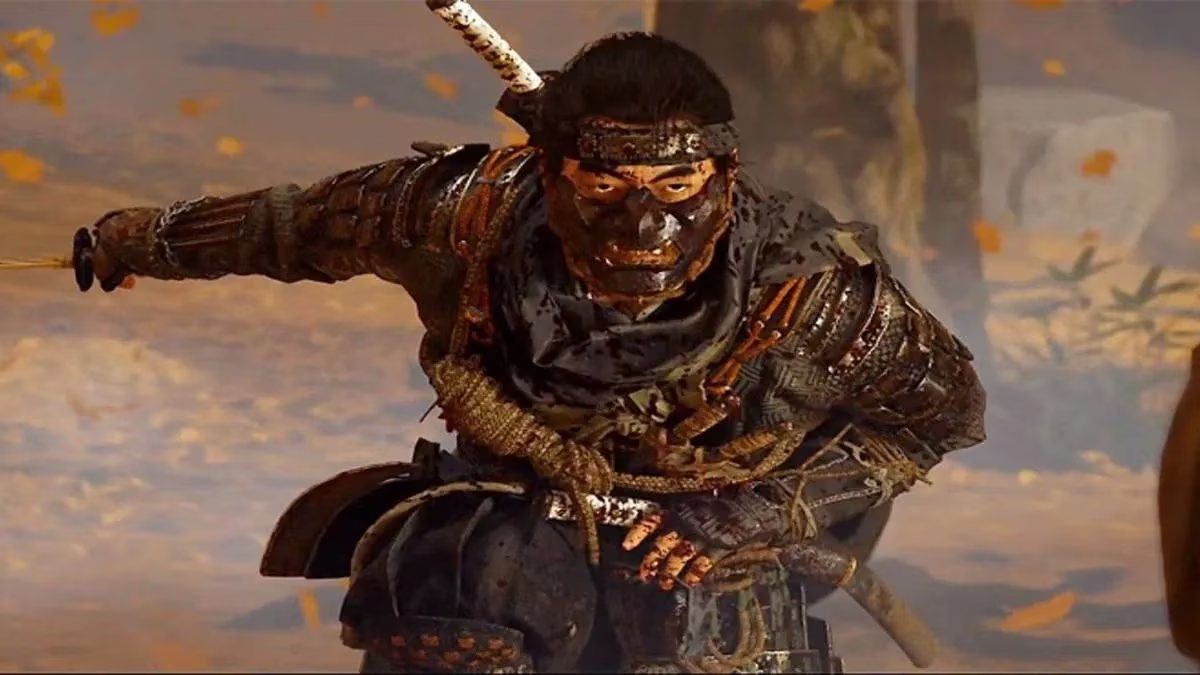
The game, released in 2020, put me on the island of Tsushima in 1274 during the first Mongol invasion. Jin Sakai is the last samurai of his clan, and his world collapses when the invasion devastates his home, his uncle is captured, and he is left for dead. To fight back, he has to master the way of the Ghost. That arc is not just a cool combat gimmick. It is a conflict between honor, survival, family, and the cost of becoming something your own people may fear. A film that understands that conflict could be extraordinary.
Stahelski’s update was simple but reassuring: the film was still in the scripting phase, and the team wanted to take its time. He acknowledged how video game adaptations can go wrong and said the goal was to do it right. For me, that is the correct posture. I have watched too many adaptations rush toward a release date and lose the emotional center of the source material. I have also watched the market change. Films such as Sonic the Hedgehog, Detective Pikachu, and Werewolves Within showed that studios and filmmakers can satisfy gamers and general audiences when they respect the tone of the original. Other projects, including Mortal Kombat and Resident Evil: Welcome to Raccoon City, still divided people because faithfulness and filmmaking quality did not always arrive together.
As of 2026, I am not chasing rumors or treating every online whisper as news. The useful signal is the creative stance: Stahelski and his team are working with the game developers, and they have promised fans would be happy with what they are building. That collaboration is rarer than it should be. Many adaptations talk about the source material, but fewer actually keep the original creators in the room. Ghost of Tsushima has a very specific visual language, a deliberate pace, and a combat system built on stance, timing, and tension. Losing those elements would be like losing the wind in the grass.
Here is what I personally want from the film:
| Priority | Why it matters to me |
|---|---|
| Jin’s inner conflict | The Ghost is not just a costume; it is a choice that costs him something |
| Sucker Punch involvement | The developers know which details carry the story and which are side content |
| Patience in scripting | A strong script is the only way to avoid a hollow adaptation |
| Duel language | The film needs weight, silence, and consequence in its fights |
| Tsushima as a character | The island’s beauty and brutality should shape the story |
The game sold over 6.5 million copies nearly a year after release, and it earned multiple nominations at The Game Awards in 2020, including Game of the Year, while winning Best Art Direction. Those numbers and awards explain why Sony Pictures moved on an adaptation. They also explain why fans are protective. We are not asking for a two-hour recreation of every open-world activity. The open-world design received a mixed response even from some players, so a film can benefit from focusing on the core: Jin, his uncle, the Mongol threat, and the painful birth of the Ghost.
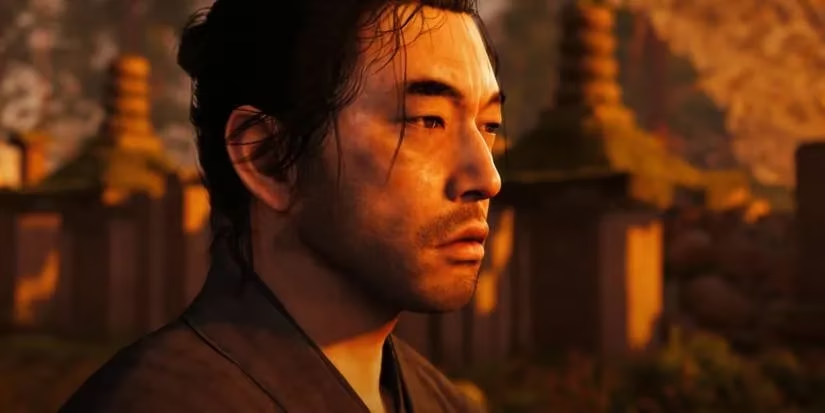
That second image captures what I hope the movie never forgets: Ghost of Tsushima is full of quiet consequences. A blade is drawn, a promise is broken, and a man becomes a legend he never wanted to be. In 2026, I would rather wait for a film that takes that seriously than celebrate a fast adaptation that misses the point. Stahelski’s promise is not a release date. It is a statement of intent. For a player who spent hours in those fields and duels, that is enough to keep me hopeful.
As detailed by Game Informer, strong game adaptations tend to succeed when they preserve a title’s emotional core rather than simply copying its surface imagery, which aligns closely with the hope that a Ghost of Tsushima film will center Jin Sakai’s moral fracture, the weight of samurai tradition, and the island’s mournful atmosphere instead of reducing the story to action set pieces alone.