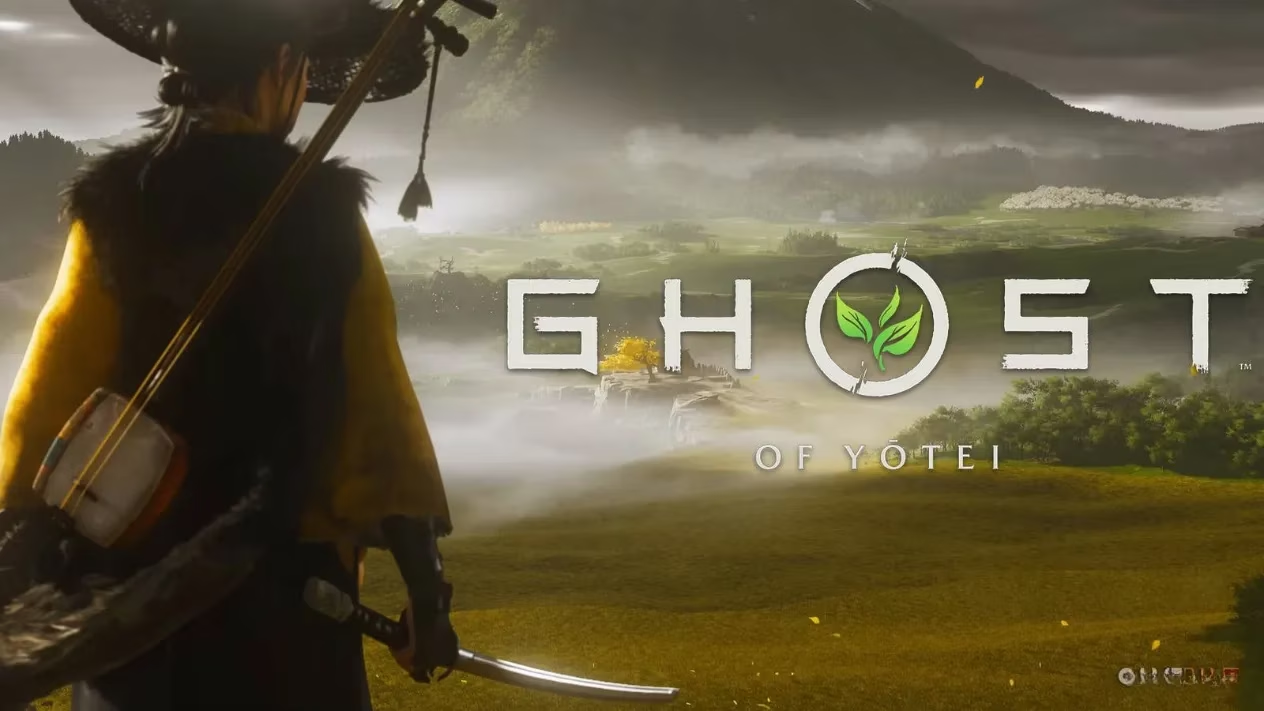
In the expansive and immersive world of Ghost of Tsushima, mini-games served as vital touchstones for cultural engagement and gameplay enrichment. From the focus-enhancing Bamboo Strikes to the contemplative Haiku Composition, these activities were more than simple diversions; they were woven into the fabric of the game's identity. As the gaming world eagerly anticipates its successor, Ghost of Yotei, set three centuries later in 1603, speculation naturally turns to how this new chapter will evolve these beloved interactive traditions. Given the historical setting at the cusp of Japan's Edo period, there is a compelling and culturally rich opportunity to introduce a new, deeply immersive mini-game: the traditional Japanese tea ceremony, or chanoyu.
🍵 A Tradition Steeped in History & Meaning
The tea ceremony is not merely about drinking tea; it is a profound spiritual, social, and artistic practice with roots extending back to the late 1100s, coinciding with the dawn of feudal Japan. By the time of Ghost of Yotei's setting, this ritual had become deeply entrenched, especially within samurai culture. It embodied the core Zen Buddhist principles of harmony, respect, purity, and tranquility 🧘. For a samurai, the ceremony was a form of moving meditation, a momentary respite from the chaos of warfare to cultivate mindfulness and inner peace. Integrating this practice would offer players an authentic window into the soul of the era, far beyond the clash of steel.
🎮 From Passive Observation to Interactive Ritual
Ghost of Tsushima's mini-games brilliantly balanced passive reflection (like composing haiku at scenic spots) with active participation (like the archery challenges). A tea ceremony in Ghost of Yotei could masterfully blend both. Instead of triggering a simple cutscene, players could engage in an interactive, multi-step process:
-
Preparation & Selection: Players, as the protagonist Atsu, would first gather or select ingredients. This could involve:
-
Different grades of matcha tea leaves 🍃.
-
Various herbs and floral additives (e.g., cherry blossom, chrysanthemum).
-
Special spring water from sacred locations.
-
-
The Ritual Itself: The core gameplay would involve performing the precise, rhythmic motions of the ceremony:
-
Purifying the utensils with graceful, deliberate movements.
-
Whisking the tea to the perfect consistency, requiring timed button presses or analog stick motions.
-
Serving the tea with the proper etiquette and posture.
-
-
The Reward - Beyond Cosmetic: Here's where the gameplay integration becomes exciting. Similar to the cooking system in The Legend of Zelda: Tears of the Kingdom, the choices and execution during the ceremony could yield temporary buffs for Atsu:
| Ingredient / Action | Potential Gameplay Buff |
|---|---|
| High-grade Matcha | "Mindful Precision" - Temporarily increases arrow draw speed or reduces sword stance change time. |
| Calming Chamomile | "Warrior's Resolve" - Slowly regenerates Resolve out of combat. |
| Perfect Whisking Rhythm | "Tranquil Focus" - Enhances perception, making enemy tracks or hidden items easier to see for a short duration. |
| Sacred Mountain Water | "Purified Spirit" - Reduces the build-up of the "Dread" meter or similar fear-based mechanics. |
This system would transform the ceremony from a purely aesthetic activity into a meaningful strategic choice. Do you spend time crafting a tea for stealth, or one that prepares you for an impending duel? 🤔
🔄 A Worthy Successor to Beloved Mini-Games
In Ghost of Tsushima, activities like the Haiku Composition and Hot Springs provided moments of calm and character reflection. A tea ceremony mini-game would be the natural, evolved successor to these. It captures the same essence of mindfulness and cultural immersion but adds a tangible, interactive layer of gameplay benefit. It would fit seamlessly into the world, offering another reason to explore the beautiful, yet dangerous, landscapes of Hokkaido—perhaps seeking out a secluded tea house or a master who teaches rare techniques.
While developer Sucker Punch has revealed little about Ghost of Yotei's gameplay specifics, the inclusion of such a culturally significant and gameplay-versatile mini-game seems not only logical but highly desirable. It would honor the legacy of its predecessor's immersive design while pushing it forward into a new historical and interactive space. The potential to blend cultural authenticity, serene gameplay, and strategic buffs makes the tea ceremony a perfect candidate to become one of Ghost of Yotei's most memorable and rewarding features. Players wouldn't just be watching history; they would be participating in a living, breathing tradition that directly empowers their journey.