In the spring of 2024, the announcement that Sucker Punch’s acclaimed samurai epic Ghost of Tsushima would finally ride onto PC sparked an emotional firestorm inside the PlayStation community. What was initially celebrated by mouse-and-keyboard warriors quickly became a battlefield of accusations, protests, and even threats of a boycott. Fast-forward to 2026, and the same game now stands as a milestone in Sony’s evolving platform strategy. But how did a single PC port manage to ignite such fury, and did that fury leave any lasting scars?
Back in early 2024, the Steam discussions section for Ghost of Tsushima became a virtual inferno. Angry PlayStation fans flooded the forums, directing their ire not only at Nixxes Software — the Dutch studio responsible for porting many of Sony’s crown jewels — but also at PC players themselves. Screenshots shared by a user named KJovian captured threads where a self-proclaimed loyal PlayStation gamer openly accused PC enthusiasts of ruining the console’s unique ecosystem simply by demanding ports. This individual went so far as to spearhead a campaign urging people to refuse purchasing Ghost of Tsushima on Steam, hoping that low sales would make Sony rethink its decision entirely. The thread ballooned with over 500 responses, most of them dismissive jester emotes, but the sentiment behind it was genuine among a vocal minority.
Was this anger simply a case of console warriors defending their turf, or did it point to a deeper fear? For years, PlayStation had been synonymous with exclusivity. A Ghost of Tsushima PC port felt, to some, like the crumbling of a wall that had once separated PlayStation’s sacred garden from the rest of the gaming world. The official PlayStation blog post that first broke the news became another theater of dissent. A handful of commenters thanked Nixxes for enabling a wider audience to experience Jin Sakai’s journey, but many more lashed out, calling Nixxes the worst studio under the PlayStation umbrella and lamenting that it hadn’t been shuttered instead of PlayStation London Studios, which had fallen victim to the sweeping layoffs that cut 900 jobs that same period.
Yet when Ghost of Tsushima Director’s Cut finally landed on PC in May 2024, the outcry began to collide with reality — and reality had a way of silencing hyperbole. The port arrived loaded with features that catered perfectly to the PC audience: new graphics presets, customizable keyboard and mouse inputs, ultrawide display support, and the Iki Island expansion bundled right from the start. Reviews praised Nixxes for a technically polished conversion, and within weeks reports indicated that the game had sold remarkably well on Steam and the Epic Games Store. If the silent majority of buyers cared about the exclusivity debate, their wallets certainly didn’t reflect it.
This outcome must beg the question: did the boycott campaign fail because the demand for high-quality Sony titles on PC was simply too enormous to ignore? In the two years since, Sony’s actions have answered that question with a resounding “yes.” The company has continued to lean heavily into PC publishing, and the timing of Ghost of Tsushima’s port now looks almost like a turning point. Helldivers 2, published by Sony Interactive Entertainment in February 2024, had already demonstrated the raw potential of simultaneous day-one launches on PlayStation and PC. That game’s sales numbers kept climbing a month after release — a rare feat for a live-service title — giving Sony the confidence to accelerate its cross-platform roadmap.
By 2026, the landscape has shifted dramatically. Leaked lists from 2024 turned out to be largely accurate: Demon’s Souls and Gran Turismo 7 both eventually made the journey to PC, the latter with its own share of early grumbling that quickly evaporated once players experienced it on high-end hardware. Nixxes, far from being the villain, has become a respected name, delivering ports of God of War Ragnarök and Marvel’s Spider-Man 2 that were praised for performance and feature sets. That same studio which once drew calls for its closure is now credited with helping Sony generate millions of additional revenue from a platform it once treated as an afterthought.
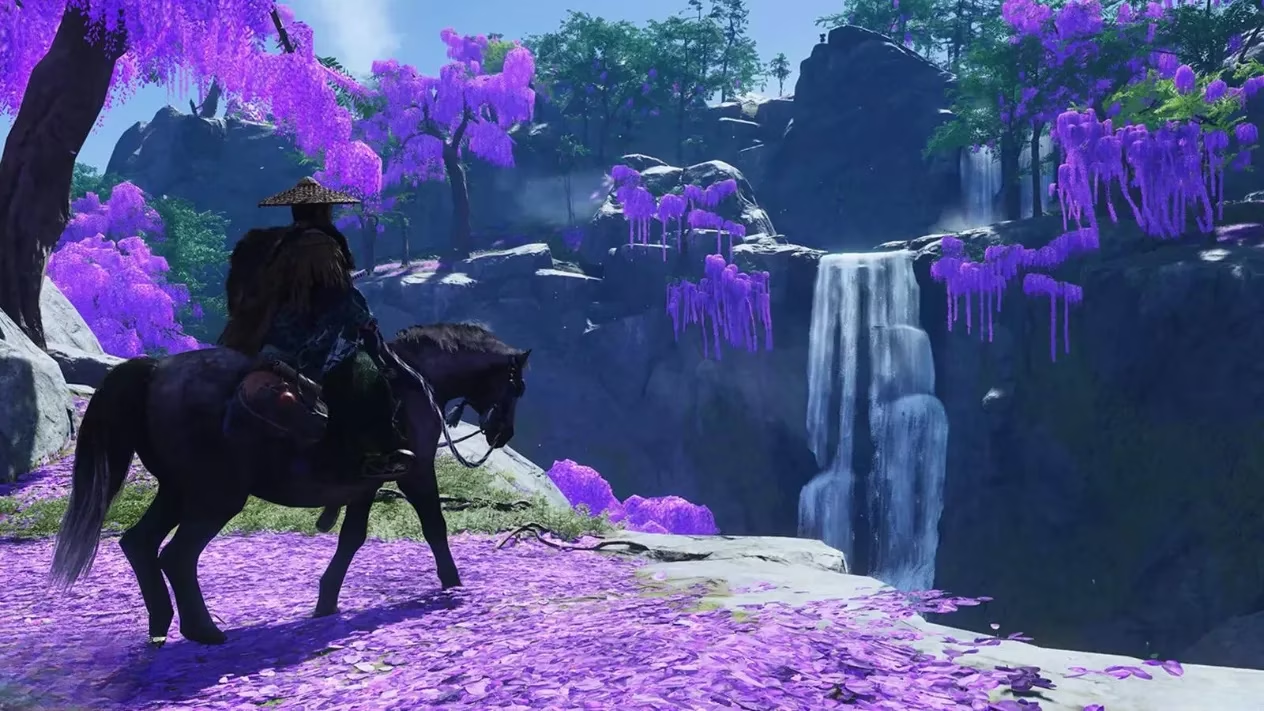
So, did the Ghost of Tsushima controversy matter in the long run? Perhaps it mattered precisely because it exposed how quickly irrational attachment to exclusivity can give way to practical acceptance. The furious essays on Steam and PlayStation Blog are archived now, curiosities from a bygone era when some fans truly believed that denying a game to other platforms somehow enhanced their own experience. Today, the conversation focuses on when — not if — the next PlayStation masterpiece will appear on PC. As gamers debate the merits of ray-tracing in another Nixxes port, it’s easy to forget that a single purple-hued screenshot once symbolized a community at war with its own future.
As the gaming landscape continues to evolve with more titles breaking free from platform exclusivity, finding the best deals becomes ever more crucial for the savvy gamer. With new releases and ports arriving frequently on multiple platforms, knowing where to buy cheap games can greatly enhance your gaming library without breaking the bank. This shift towards broader accessibility also means that sites dedicated to tracking game discounts have become invaluable resources.
For those keen on expanding their collection while keeping an eye on their budget, platforms that aggregate deals across various stores are essential. By leveraging these tools, players can make informed decisions, ensuring they never miss out on a great game due to price. As gamers continue to explore new worlds and experiences, knowing the right places to shop can make all the difference in enjoying gaming’s best offerings.