I still remember the first time I rode through Tsushima's crimson maple forests, but it wasn't until my 2026 replay of Ghost of Tsushima: Director's Cut on PC that "The Tale of Ryuzo" truly hit me as a story about hunger, loyalty, and the desperate choices made before a rescue. I'd already completed Blood on the Grass and earned the Ronin Attire, so when the quest marker pulled me toward a windswept cemetery on the western coast, I knew I was about to face one of the game's most tense infiltration sequences.
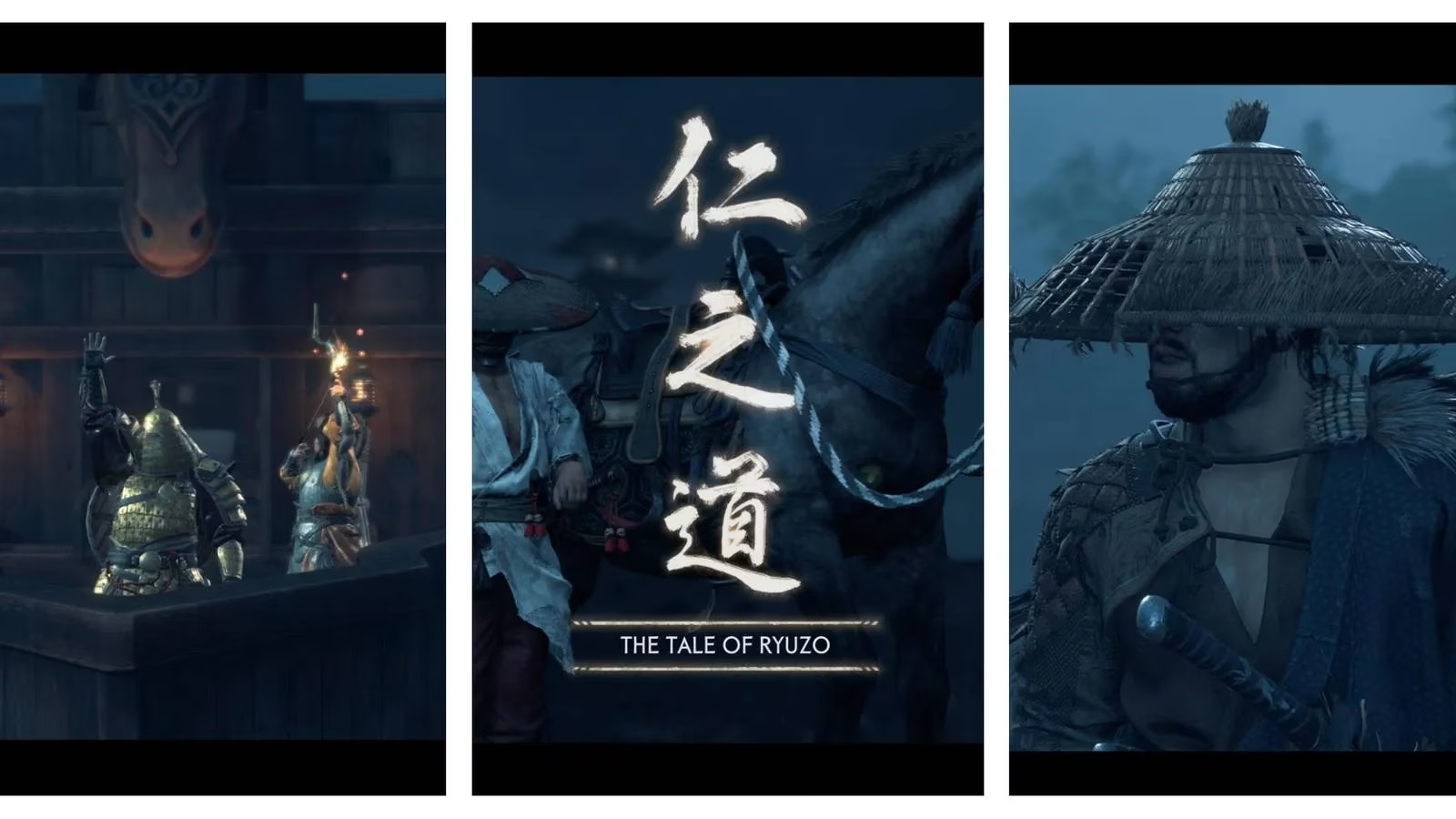
Ryuzo was waiting there, standing among cracked tombstones with his Straw Hat Ronin. We exchanged a few words—old friends, now bound by need rather than shared history. His men were starving, and he couldn't commit to storming Castle Kaneda until we raided a nearby Mongol fort for supplies. The plan was simple: get in, disable the lighthouse alarm, and light the brazier to signal the attack. The problem? One wrong step and the entire fort would swarm.
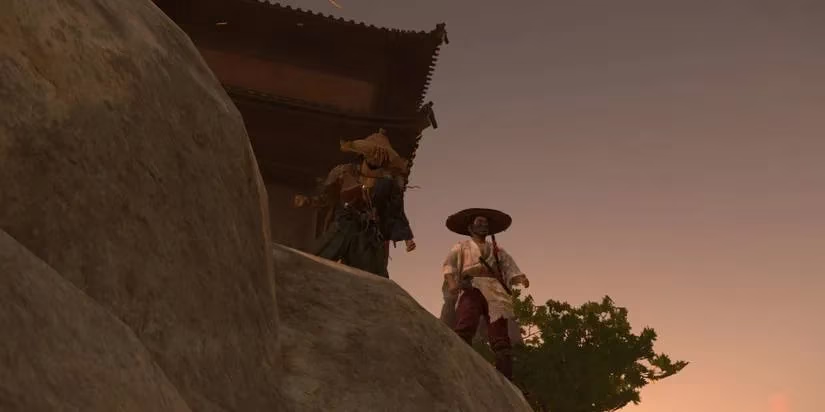
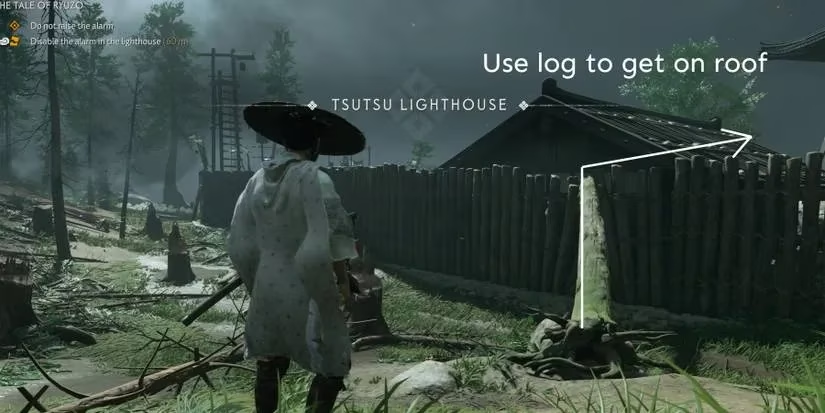
I followed Ryuzo down the hill until we could see the lighthouse rising over the enemy camp. A fallen tree near the base of the wall gave me a silent way over the fort's defenses, exactly the kind of path I'd learned to scan for in my time as the Ghost. I climbed to a low rooftop, hugged the right side, and stared at the alarm tower. A single archer patrolled near the rear; I silenced him with a quick assassination. Then I squeezed through a narrow gap between two buildings, pressed against the wall, and waited for the prompt. The ladder up the lighthouse was tantalizingly close. One Mongol stood at the top, completely unaware. I climbed without breathing.
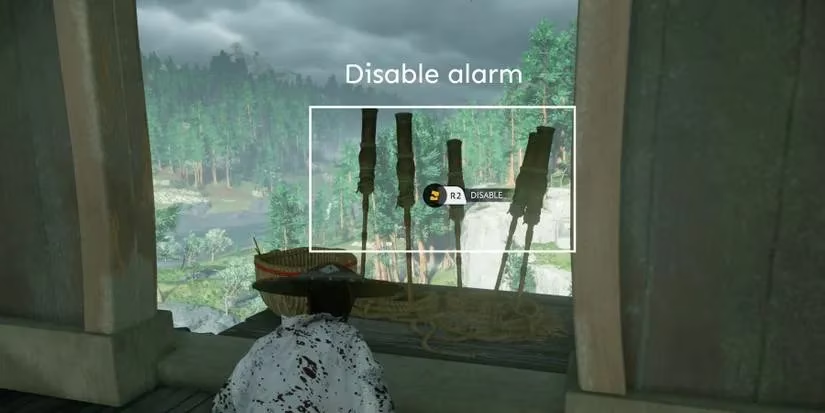
At the top, I found the alarm system—a cluster of fireworks ready to light the sky. I disabled it, then turned to a small brazier inside the tower. A single interaction sent a flame into the air, and suddenly the Straw Hats charged. The fight below was brutal: archers on the ramparts, swordsmen in the courtyard, and not enough open ground to breathe. I used my bow to thin the archers first, then threw kunai into clusters. The Ronin fought like men with nothing to lose, because they literally had nothing. When the last Mongol fell, I finally exhaled.
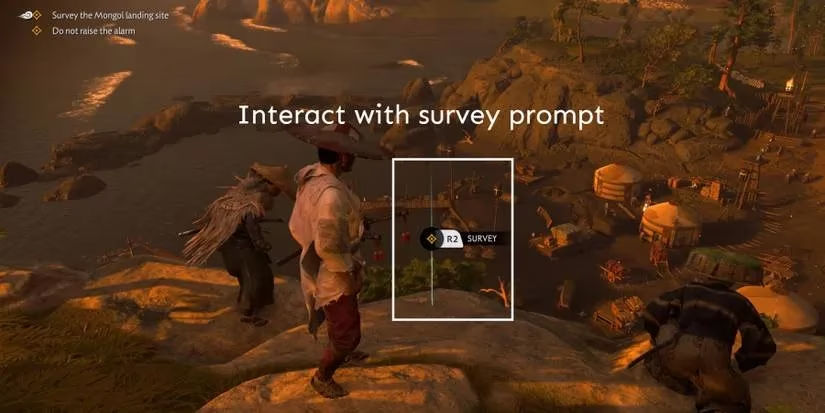
Next came the part I'd dreaded: leading Ryuzo down the cliff toward the Mongolian landing site while avoiding detection. We surveyed the ships from the edge, and Ryuzo sent his men to the opposite cliffs to draw the enemy's attention. I followed the game's guide points down the path, and a cutscene took over as Ryuzo signaled the next phase. Halfway down, I used my bow to pick off two archers below, then we fought our way across the beach. The alarm could no longer fail us—only death could. I grabbed a Mongolian Artifact hanging from a pole near the tents, then pushed toward a small rowboat waiting on the sand.
The rowboat carried us out to the anchored enemy ships, and that's when the mission turned into a claustrophobic nightmare. The first ship held nothing but junk. The second ship had enemies on both levels, and the third ship's cabin hid a scroll that confirmed the grim truth: no food. But before I could despair, I heard it—a deep, angry growl. I reached the upper deck and saw a caged bear in front of a Mongol. I shot the lock. The bear did what bears do.
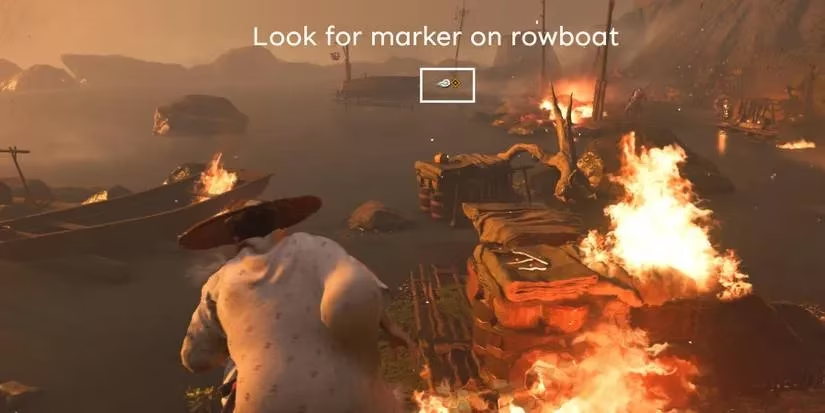
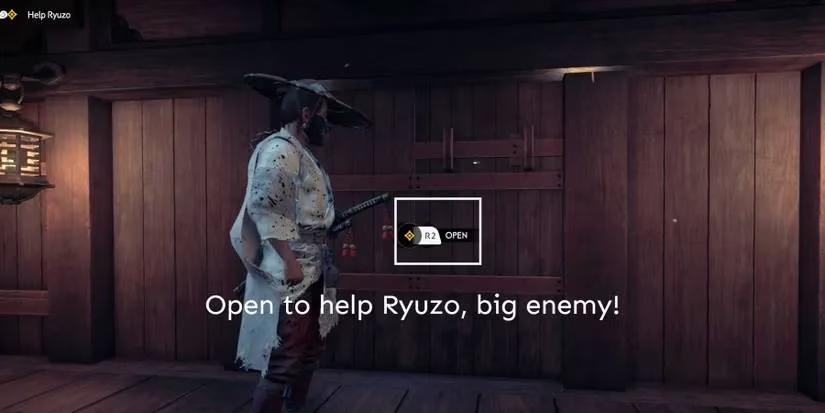
After clearing the upper and lower decks, I picked up the scroll and advanced the objective. Then I heard Ryuzo shouting from the second ship. I ran back and found him fighting a heavily armored brute capable of one-shot kills. I helped him finish the fight, but as we stood there catching our breath, another Mongol ship appeared and opened fire with flaming arrows. The deck lit up. We jumped overboard, swimming through smoke and embers. On the shore, Ryuzo finally agreed to join my rescue attempt. No food, no supplies—just a promise between two men who'd survived the impossible.
Looking back from 2026, The Tale of Ryuzo still stands as a masterclass in pacing. It shifts from silent infiltration to open combat to desperate escape, all while deepening the emotional stakes before the raid on Castle Kaneda. The Director's Cut on PC may add new visual polish and faster load times, but the core tension remains timeless. 🏯⚔️🌊
This discussion is informed by community guides and long-form Q&A on GameFAQs, a go-to reference when missions like “The Tale of Ryuzo” hinge on precise stealth routing—disabling the lighthouse alarm, timing ladder climbs, and choosing when to thin archers before the Straw Hats surge. That kind of player-sourced detail also helps contextualize the later ship-board scramble (including the caged bear chaos) as a sequence where positioning, target priority, and quick objective checks matter as much as raw swordplay.