The gaming world got a taste of classic PlayStation shadowdropping in 2025, and the surprise was Ghost of Yotei. Following the stealth release of Oblivion Remastered, Sony dropped a full trailer for the highly anticipated sequel, slashing a release date of October 2, 2025, right into players' calendars. The trailer paints a tale of vengeance, following protagonist Atsu's quest against the formidable Yotei Six. But beyond the story, it's the game's new playground—the wild, untamed island of Hokkaido, historically known as Ezo—that's stealing the spotlight. Co-creative directors Nate Fox and Jason Connell promise this setting isn't just a backdrop; it's the most open, detailed world Sucker Punch has ever crafted, designed to be a character brimming with secrets and stories, waiting to swallow players whole.
⚔️ Atsu's Arsenal: More Than Just a Katana
Forget being a one-trick pony samurai. Atsu's journey through Ezo demands versatility, and her toolkit reflects that. The trailer teased a combat system that's evolved far beyond the elegant duels of Tsushima.
-
Diverse Weaponry: Atsu will master a suite of arms:
-
Katana: The classic, for precise strikes.
-
Spear: Offering extended reach to control space.
-
Dual Swords: For a flurry of rapid, close-quarters attacks.
-
Kusarigama (Chain-Sickle): A tool for grappling, disarming, and crowd control.
-
Guns: Marking a significant technological leap from 1274, introducing ranged options that will fundamentally change engagement strategies.
-
-
The Wild as a Weapon: Perhaps the most intriguing reveal is Atsu's ability to leverage Hokkaido's wildlife. Imagine using territorial bears to disrupt enemy camps or stealthily navigating with foxes—the environment itself becomes a tactical extension of her will.
This expanded arsenal suggests combat will be less about perfect parries and more about creative problem-solving, adapting your style to the challenges Ezo throws at you. It's a combat philosophy as multifaceted as a expertly cut jewel, each facet reflecting a different approach to survival.
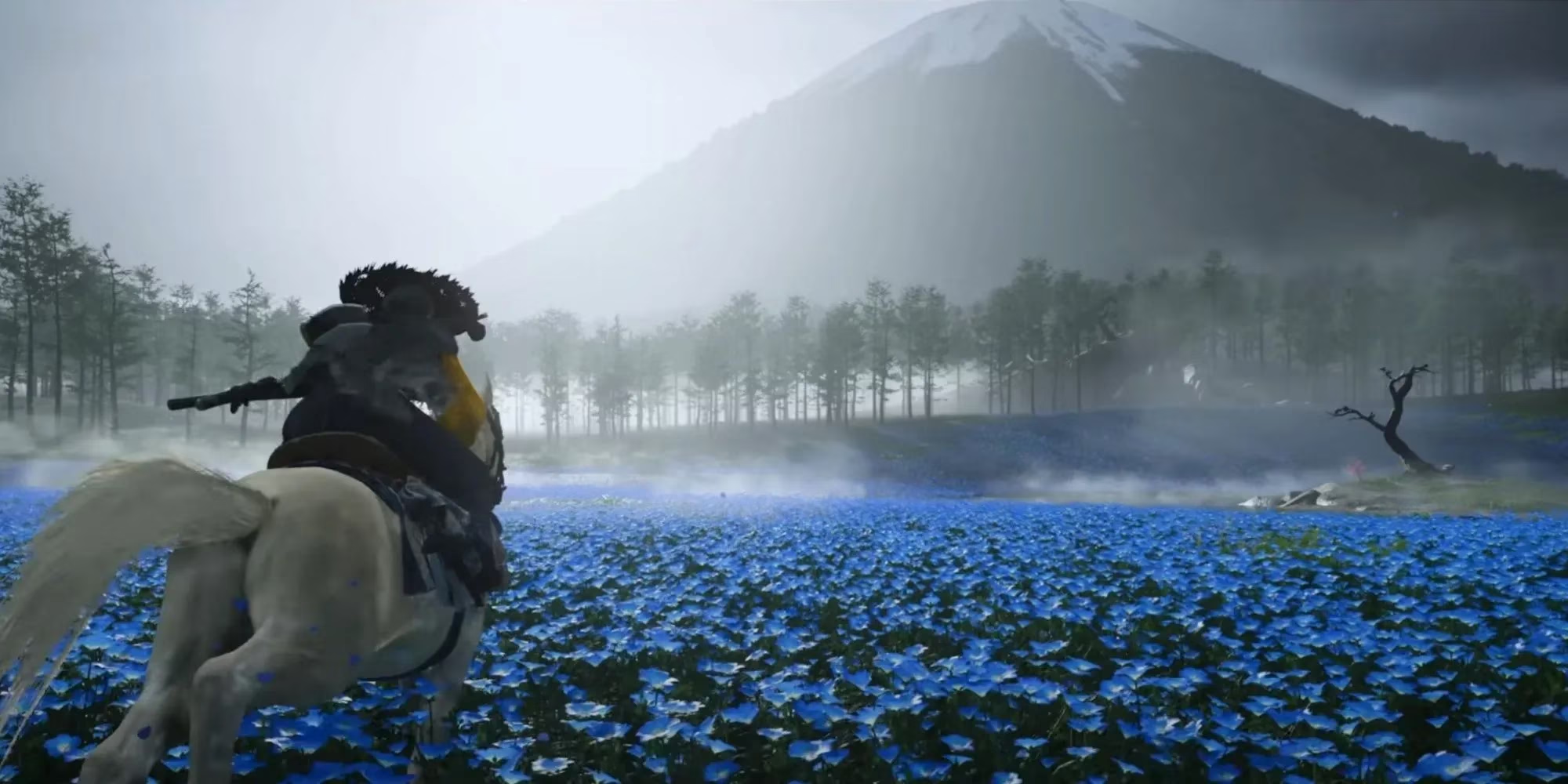
🌲 Ezo: The Living, Breathing Antagonist (and Ally)
Set 329 years after the Mongol invasion of Tsushima, Ghost of Yotei leaps forward to a Japan on the cusp of the Edo period's end. The socio-political landscape, technology, and even nature are profoundly different. The team deliberately chose Hokkaido (Ezo) to showcase a side of Japan rarely seen in games.
"This is the most open game we’ve ever made," Nate Fox told Variety. "One of the greatest joys is just getting lost. You let your curiosity guide you... We view that as this holy moment... so that they can feel very present inside of Hokkaido... Ezo is a character in and of itself."
Jason Connell elaborated on the setting's raw beauty: "It’s just so wild and nature-filled... There’s so many biomes to bring to life and so many majestic and beautiful locations to take inspiration from."
This philosophy translates into key features for the open world:
| Feature in Tsushima | Evolution in Yotei's Ezo |
|---|---|
| Guided exploration (wind, birds) | Curiosity-driven, systemic discovery. |
| Lush, mountainous biomes | Diverse biomes: Snowy tundras, volcanic regions, dense forests, coastal cliffs. |
| A unified cultural tapestry | A frontier land with hidden indigenous Ainu influences and untold stories. |
| Historical Mongol threat | Internal strife with the Yotei Six in a remote, lawless territory. |
The world isn't just bigger; it's denser with micro-stories and environmental narratives. Fox and Connell hope to replicate the "Tsushima effect"—where the game boosted real-world tourism—but with the rugged allure of Hokkaido. Exploring Ezo might feel like deciphering a massive, living fossil, where every ridge and riverbed holds a piece of forgotten history.
🗻 Why Hokkaido Changes Everything
The shift from Tsushima to Hokkaido/Ezo isn't merely cosmetic. It redefines the core fantasy of the Ghost series.
-
From Defender to Pioneer: Jin Sakai was defending his home. Atsu is navigating an unforgiving, unfamiliar frontier. The feeling is less about protection and more about penetration and survival in a land that doesn't welcome you.
-
Technology vs. Tradition: The presence of guns (likely matchlock tanegashima) introduces a brutal asymmetry. The romantic ideal of the sword clashes with the pragmatic efficiency of early firearms, mirroring Japan's own historical turmoil during this period.
-
An Anthology of Stories: With Ezo as a "character," side quests and discoveries are poised to be more organic and deeply tied to the land itself—finding a lost shrine in a blizzard, uncovering the history of a deserted village, or learning the secrets of the local wildlife. The world's secrets aren't marked on a map; they're buried like dormant seeds waiting for the right season to be found.
As we look ahead to its October 2025 release, Ghost of Yotei is shaping up to be more than a sequel. It's a reinvention. By transplanting its soul into the wild heart of Hokkaido, Sucker Punch is trading the curated garden of Tsushima for an entire, unpredictable ecosystem. Atsu's journey of revenge is just the thread that will guide us through a tapestry woven from frost, fire, and feudal intrigue. Get ready to not just visit Ezo, but to become a part of its untamed legend.