As we move through 2026, the echoes of the gaming community's anticipation for Ghost of Yotei still resonate. I vividly recall the fervor surrounding its projected launch in 2025, a year that has now passed. The successor to the critically acclaimed Ghost of Tsushima was not just a highlight for a single year but represented the culmination of nearly half a decade of eager expectation from fans captivated by Jin Sakai's journey. While the new title charted a different narrative course, it carried the immense weight of continuing a franchise renowned for its breathtaking open worlds, emotionally charged stories, and immersive samurai combat. The prospect of its release was a dream on the cusp of reality for many.
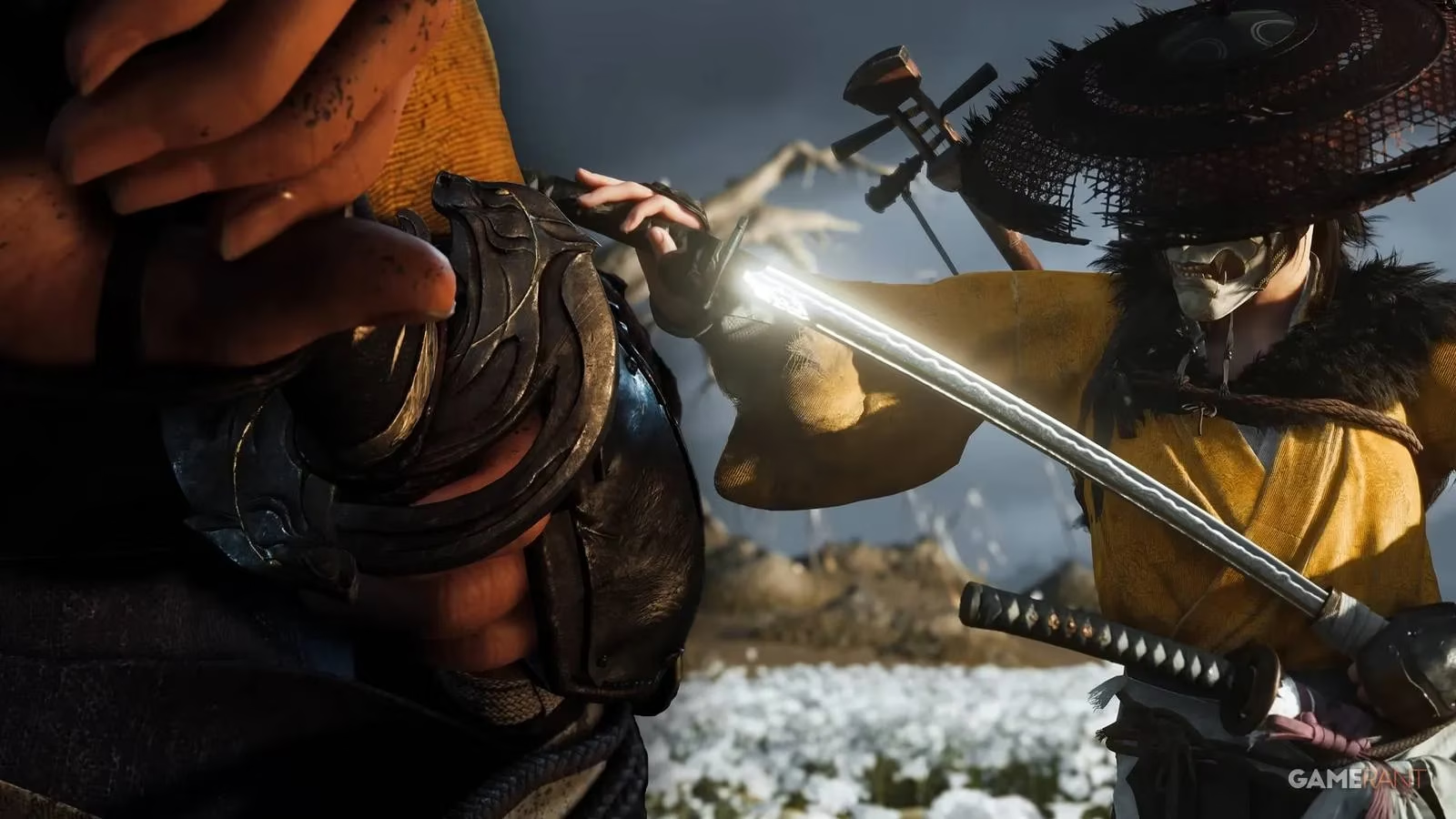
The Pivotal Leak and Mounting Skepticism
The most intriguing twist in the prelude to launch was the reported leak of a July 2025 release date. This timing neatly mirrored the July 2020 debut of Ghost of Tsushima, creating a sense of poetic symmetry. However, as the calendar pages turned and July 2025 drew nearer with alarming speed, a cloud of doubt began to form. The primary fuel for this skepticism was Sucker Punch Productions' notably restrained and minimalist promotional campaign. The disconnect between a major summer launch and the studio's quiet approach led many, including myself, to question the leak's validity. It seemed improbable that a title of this magnitude would approach its launch window with so little fanfare.
Analyzing the 'Light Touch' Marketing Campaign
Reflecting on the marketing timeline, its sparseness was striking:
-
The Announcement (September 2024): The journey began with a reveal trailer during a State of Play presentation. Lasting only three minutes, a mere sixty seconds were dedicated to showcasing actual gameplay and environmental snippets.
-
The Website Update (Early 2025): The next significant move was a quiet update to the official game site, which reconfirmed the 2025 window and offered only morsels of additional lore and setting details.
This deliberate, hushed strategy sparked intense debate. Two prevailing theories emerged:
-
Protection from Pre-release Critique: The studio might have been shielding the game from premature judgment and hyper-analysis, a common challenge in today's hyper-connected gaming landscape.
-
Confidence in Anticipation: Sucker Punch may have believed the franchise's sterling reputation and built-in fanbase were marketing enough, reducing the need for a massive, traditional advertising blitz.
However, from a strategic standpoint, neither rationale fully explained the approach. Minimal marketing could risk undercutting commercial success by failing to reach broader audiences, and it wouldn't entirely inoculate the game from preconceived notions. This begged the question: what was the true catalyst for this silence?
The State of Play Conundrum and Release Window Logic
The key to unraveling this mystery often pointed to Sony's event schedule. State of Play broadcasts typically occur quarterly. Given one took place in February 2025, the logical next events would be in May or June 2025. This timeline presented a plausible scenario: Sucker Punch was simply holding its major reveals for this dedicated platform. A spectacular showcase in May would still provide a solid two-month runway to build immense hype for a July launch. The leak, therefore, could have been accurate, contingent on a pending, grand unveiling.
The Verdict in Hindsight: 2026 Perspective
Now, in 2026, we have the benefit of hindsight. The leaked July 2025 window, while logical, ultimately proved to be inaccurate. The game's actual release trajectory demonstrated that Sucker Punch's timeline was different. Their subdued marketing was less about an imminent surprise and more indicative of a development schedule that extended beyond that summer. The episode serves as a compelling case study in modern game marketing and rumor culture:
-
Leak Culture: Even credible-sounding leaks must be weighed against observable corporate actions.
-
Marketing Evolution: Studios are increasingly adopting varied promotional strategies, sometimes favoring sustained mystery over information saturation.
-
Managing Expectations: The entire saga highlighted the delicate balance developers must strike between fan excitement and transparent communication.
The anticipation for Ghost of Yotei was a testament to the powerful legacy of Ghost of Tsushima. While the journey to release had its twists with debated leaks and a puzzling marketing strategy, it ultimately underscored the passionate engagement of the gaming community. The wait, filled with speculation and analysis, was itself a unique chapter in the saga of this beloved franchise's evolution.