Ghost of Yotei has stormed onto the scene, proving itself a worthy successor to Ghost of Tsushima. While story debates linger, Sucker Punch’s sequel undeniably advances the franchise through sharper combat, a bold new protagonist, and refined open-world exploration. Set 300 years after Tsushima, it weaves a standalone tale while preserving the soul of its predecessor. Yet, what truly sets it apart are its cinematic modes—inspired by legendary directors Akira Kurosawa, Takashi Miike, and Shinichiro Watanabe. These aren’t mere filters; they’re transformative experiences that reshape gameplay and immerse players in radically different artistic universes.
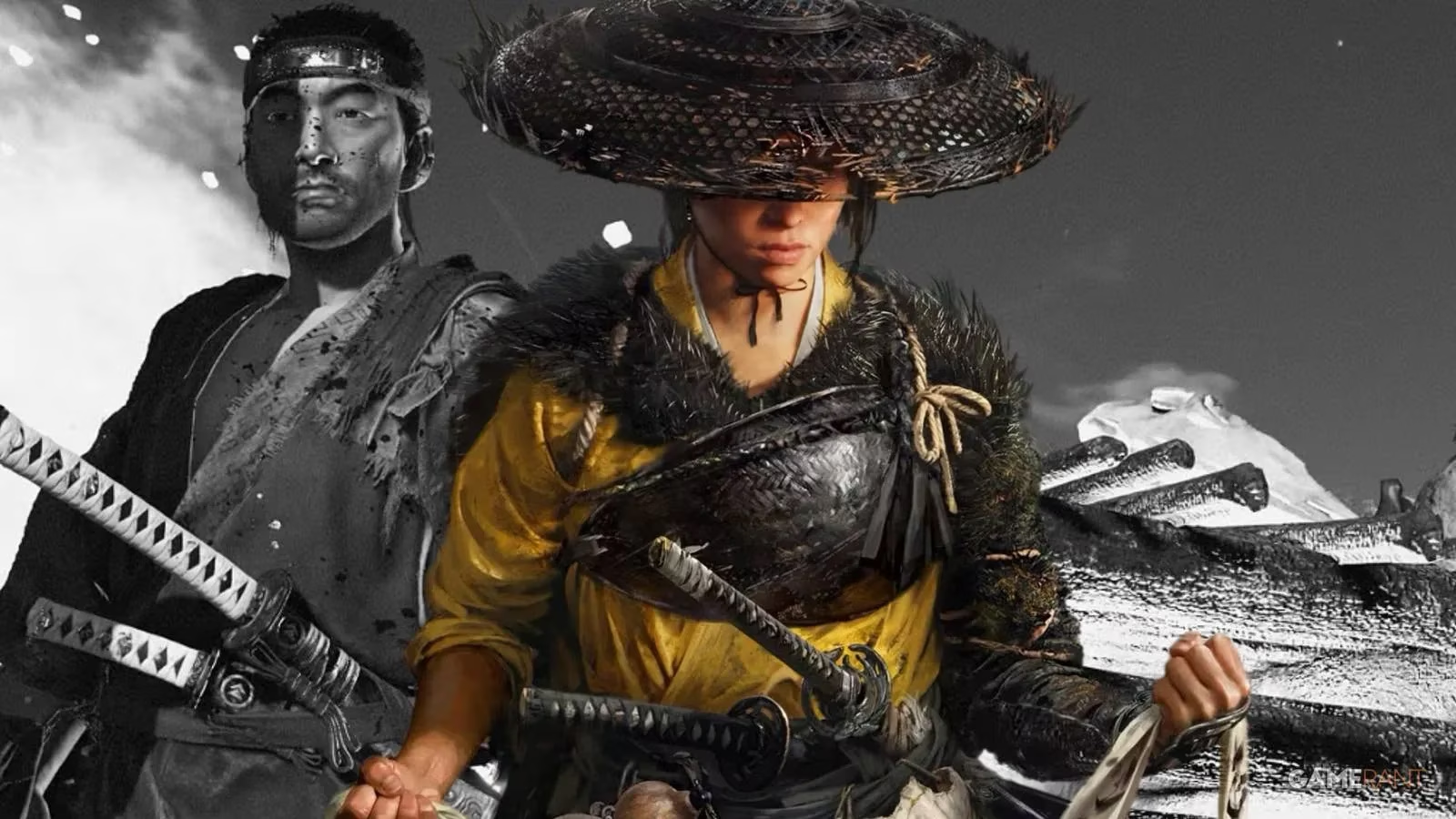
Kurosawa’s Timeless Shadow Returns
The return of the black-and-white Kurosawa Mode feels like reuniting with an old friend. This homage to the Seven Samurai director isn’t just aesthetic—it’s a masterclass in mood. The stark contrasts amplify every sword clash and rain-soaked duel, making feudal Japan feel mythic and raw. Kurosawa’s influence echoes beyond cinema; it’s embedded in gaming’s DNA. Yet Ghost of Yotei pushes further by introducing two new visionary tributes.
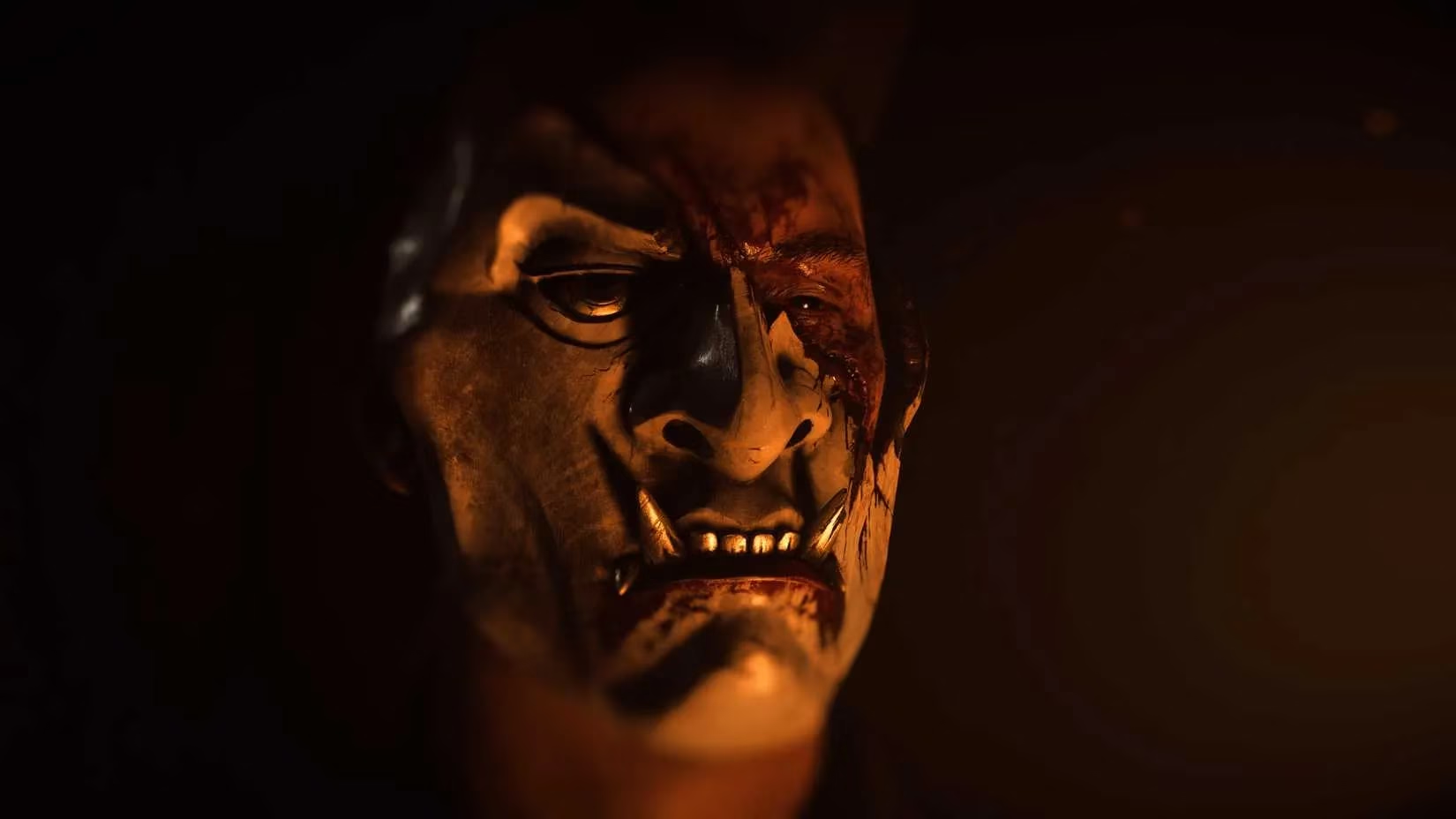
Miike’s Gritty, Blood-Soaked Lens
Takashi Miike’s mode is not for the faint-hearted. Known for films like Audition and Ichi the Killer, Miike crafts horror that unsettles and fascinates. Ghost of Yotei channels this by dialing up visceral elements: blood sprays thicker, mud clings grimier, and encounters feel brutally intimate. It’s a chaotic, pulpy overhaul that turns serene landscapes into arenas of dread. Players unfamiliar with Miike’s filmography might find themselves diving into his filmography after this—proof that games can be gateways to broader art.
Watanabe’s Sonic Revolution
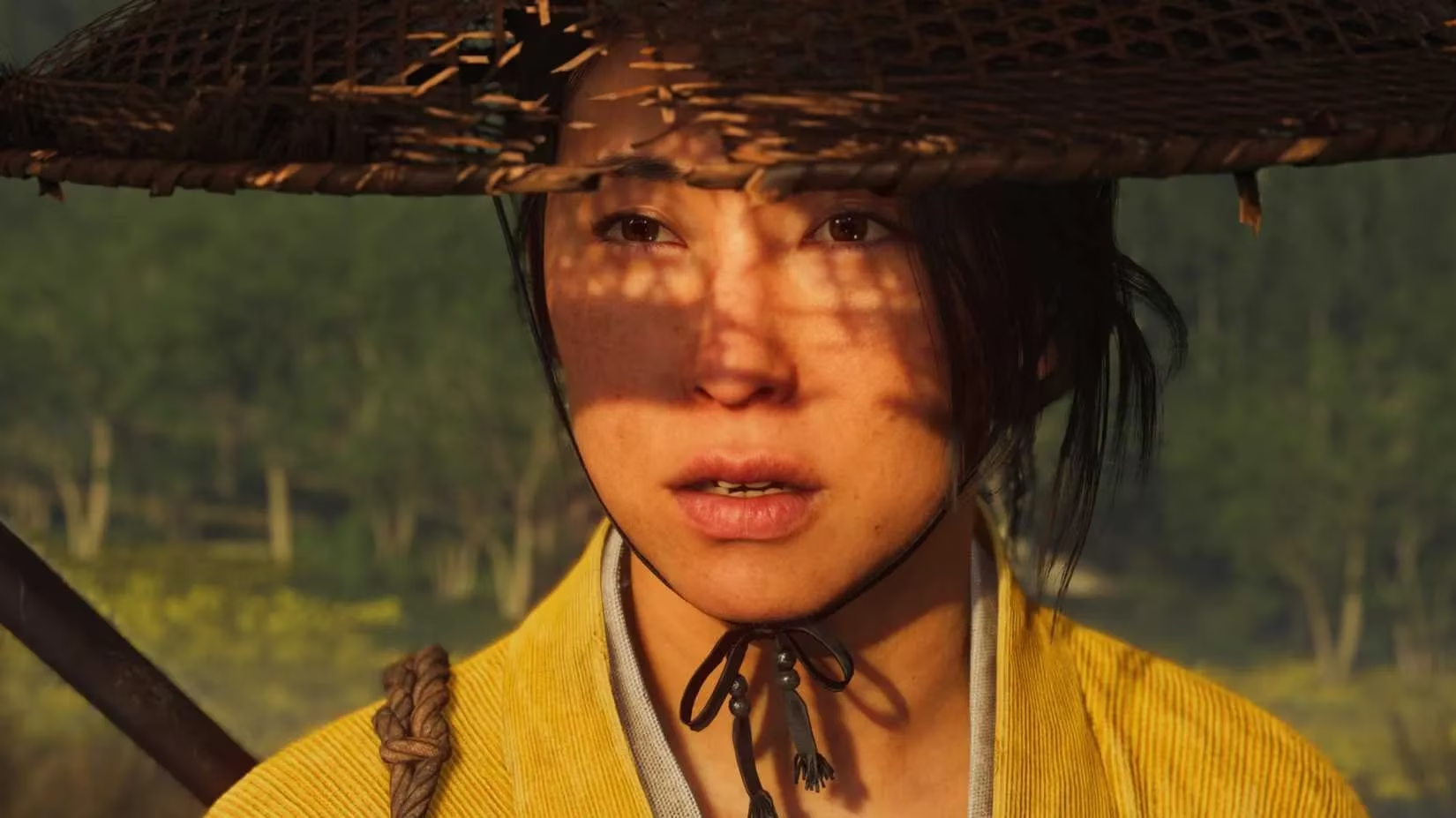
Shinichiro Watanabe’s inclusion is a curveball. The anime maestro behind Cowboy Bebop and Samurai Champloo brings no live-action pedigree—just pure auditory genius. His mode swaps the original score for a lo-fi soundtrack, composed under his direction. The effect? A hypnotic, laid-back vibe where exploration becomes meditative and battles sync to jazz-inflected beats. It’s less about visual flair and more about rhythm, proving sound can redefine a game’s soul. For Watanabe newcomers, this is a tantalizing appetizer.
Beyond Sequels: An Anthology Future?
Ghost of Yotei’s leap forward isn’t just technical—it’s conceptual. By severing direct narrative ties to Tsushima while honoring its spirit, Sucker Punch hints at a broader vision: an anthology series spanning eras. Imagine future installments set in Edo-period ports or Meiji-era cities, each with unique directorial homages. Could we see a Yasujirō Ozu-inspired mode focused on quiet drama? Or a Hayao Miyazaki tribute bursting with whimsical creatures? The potential feels boundless. Personally, I’m itching for a cyberpunk spin with Mamoru Oshii’s Ghost in the Shell aesthetics—blending katana duels with neon-lit noir.
Why the Modes Matter
At first glance, three cinematic modes seem minor. But they exemplify Sucker Punch’s philosophy: refine everything. Combat’s fluidity, weapon diversity (katanas meet new polearms!), and exploration’s organic puzzles all elevate Yotei. Yet these director tributes do more—they challenge players to rethink immersion. Want stats? Here’s a quick breakdown of mode impacts:
| Mode | Visual Change | Audio Change | Gameplay Effect |
|---|---|---|---|
| Kurosawa | Black-and-white filter | None | Emphasizes timing |
| Miike | Enhanced gore/mud | None | Intensifies combat |
| Watanabe | None | Lo-fi soundtrack | Slows pace, focuses exploration |
Final Thoughts
Ghost of Yotei doesn’t just surpass Tsushima—it redefines what sequels can be. By weaving film history into interactivity, it bridges mediums and invites curiosity. The lo-fi beats of Watanabe’s mode might linger in your head long after credits roll, while Miike’s brutality ensures every skirmish feels earned. And Kurosawa? His shadow remains timeless. As the franchise evolves, one hopes Sucker Punch keeps this daring spirit alive. After all, gaming’s future isn’t just about graphics—it’s about crafting worlds that breathe like art. 🎮✨