In 2020, Sucker Punch released Ghost of Tsushima, and the gaming world reacted like a cat that had just discovered a sunbeam: stunned, delighted, and unwilling to move for hours. The game's fictionalized Tsushima Island is ridiculously picturesque, its soundtrack is lush enough to make a forest weep, and its combat has the staying power of a well-made katana. Even in a year packed with heavy hitters, it snagged the Player's Voice Award at The Game Awards 2020. As of 2026, the Director's Cut remains the definitive way to experience Jin Sakai's story on PS5, PS4, and PC, and the opening still deserves a standing ovation from anyone who has ever endured a clunky tutorial.
The introduction is a Trojan horse made of bamboo and honor: players think they are charging into a blockbuster opening, but they are actually being led through a meticulously designed tutorial. It is the kind of trickery a sushi chef might pull by teaching knife skills while the customer is already drooling over the first plate.
🚨 Spoiler sirens: the next few paragraphs discuss the opening beats of Ghost of Tsushima. If a player has somehow avoided the game since 2020, they may want to look away. Everyone else can enjoy the ride.
A 20-Minute Crash Course With a Body Count ⚔️
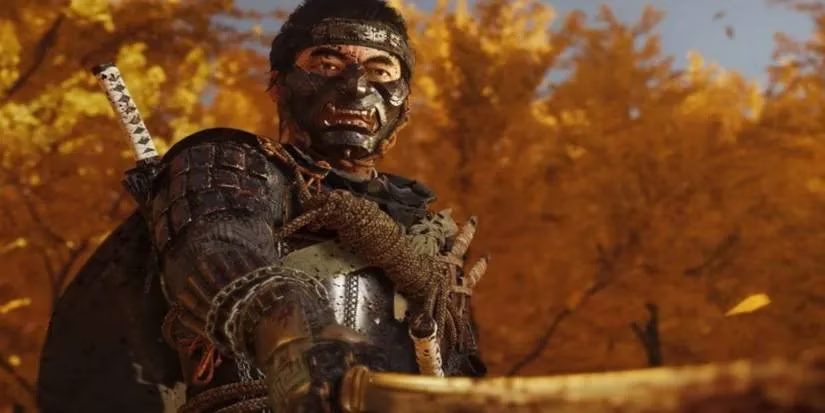
The game opens with the brave samurai of Tsushima watching a wave of Mongols arrive. The samurai, being noble and virtuous, send one man forward to greet the invaders. The Mongols, being Mongols, respond with a cheap shot that leaves the envoy dead. Jin Sakai and his fellow samurai charge in, fight with everything they have, and get slaughtered because the numbers are not in their favor. Jin is saved by Yuna, a woman with a talent for stealing, and wakes up to learn that his uncle, Lord Shimura, has been captured. Jin tries to rescue him, gets defeated by the large Mongol warrior Khotun, and is left for dead.
This is an embarrassing loss, but it teaches Jin something important: he must change. The Mongols have studied samurai customs, strategies, and way of life for ages. Repeating the same tactics would be like bringing a butter knife to a cannon fight. Jin must adopt new strategies and combat techniques, even if it means rejecting some of the nobility and honor he once held close to his heart.
The Flashback Tussle That Teaches Everything 🧠
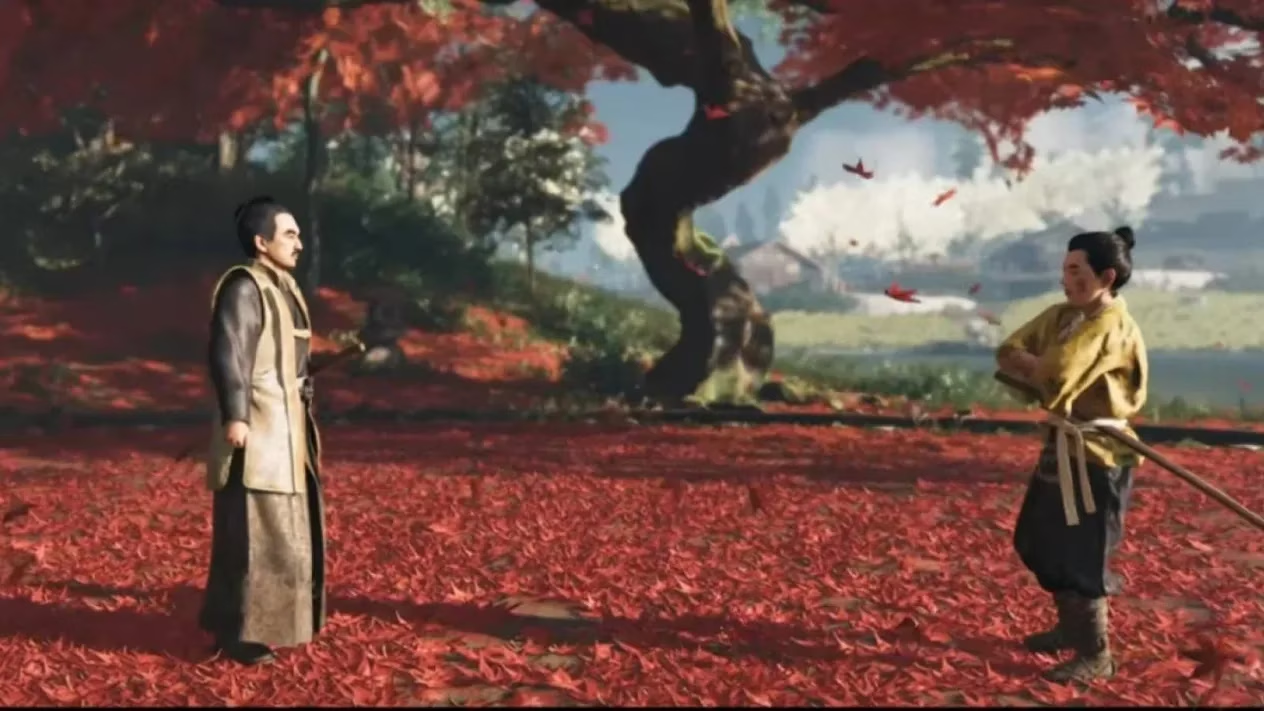
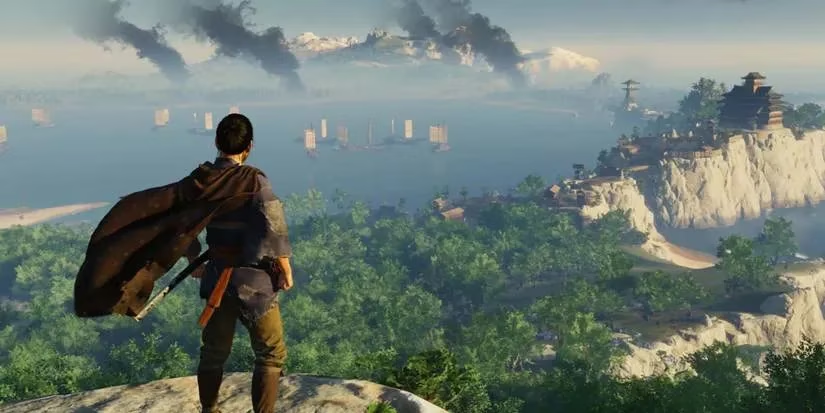
The intro also features flashbacks to Jin's childhood. Players learn that Jin is no stranger to losing and has been bullied by people far bigger than him. Lord Shimura mentors Jin and teaches him the way of the samurai. During these flashbacks, players have a friendly tussle with Lord Shimura and, without realizing it, learn the basics of combat. It is a tutorial wearing a samurai costume, and it works like a charm. The flashbacks end, Jin attempts to rescue Shimura, and players get to test their skills against the Mongols. By the time the beautiful shots of Tsushima Island, intense battles, and gripping story have finished, the game has properly begun. Players have everything they need to start their quest to end the Mongol invasion.
| Intro Element | What It Teaches | Why It Works |
|---|---|---|
| Samurai envoy's death | The Mongols play dirty | Establishes stakes without a lecture |
| Jin's rescue by Yuna | Allies matter | Introduces a key character through action |
| Flashback tussle with Shimura | Combat basics | Players learn by doing, not by reading |
| Khotun's victory | Jin must adapt | Sets up the central conflict |
| The charge on the beach | Scale of invasion | Shows, rather than tells, the threat |
Why the Honor-vs.-Survival Tango Still Slaps in 2026 💥
Jin is a complex character at a crossroads. He values the lessons he grew up with, but he understands that some must be abandoned to stop the invasion. He has seen that samurai skills may be insufficient, yet he still values fighting with integrity and nobility, even when opponents use dirty tricks. The intro fleshes out his personality and values while illustrating the nature of the Mongol invasion. In a mere 20 minutes, players understand Jin's motivation, what he is up against, and what he must do to succeed. The culture and traditions of Tsushima Island are explained without sacrificing action or forcing players to sit through an excessively long cutscene.
This is a narrative magic trick: the magician palms a tutorial while the audience watches a sword fight. Most games make introductions feel like a mandatory safety briefing on a plane that is already taxiing; Ghost of Tsushima makes the safety briefing part of the in-flight movie.
A Replay-Friendly Miracle 🎮
Tutorials and introductions have the potential to be the most boring part of a game, especially during replays. Ghost of Tsushima keeps things interesting and never relents on the action while still teaching players the ropes. It is like a wolf in sheep's clothing, except the sheep is a crash course in survival and the wolf is a very stylish samurai. The intro is so smooth that many players may not notice it is a tutorial at all. That is the highest compliment a game introduction can receive.
Ghost of Tsushima is available now on PS4 and PS5, and the Director's Cut has also made its way to PC. In 2026, it remains a game worth revisiting, if only to watch a masterclass in how to hide a tutorial inside a blockbuster opening. Sucker Punch did not just introduce players to Jin Sakai; it gave them a reason to care before they even realized they were being taught. And that is how a game makes an introduction feel like a victory rather than a chore.