I still remember the first time Ghost of Tsushima's wind guided me across a field of pampas grass—and I still wince when I think about its so-called Kurosawa Mode. Sucker Punch Productions made a gorgeous open-world samurai fantasy, one I chased to the Platinum Trophy because its combat, landscapes, and mood were too seductive to resist. But the game also wears its cultural tourism on its sleeve, mixing eras, misreading Akira Kurosawa, and treating Japanese history like a mood board. In 2026, with the film adaptation still moving through development, that baggage has not gone away. If anything, it has become the central question.
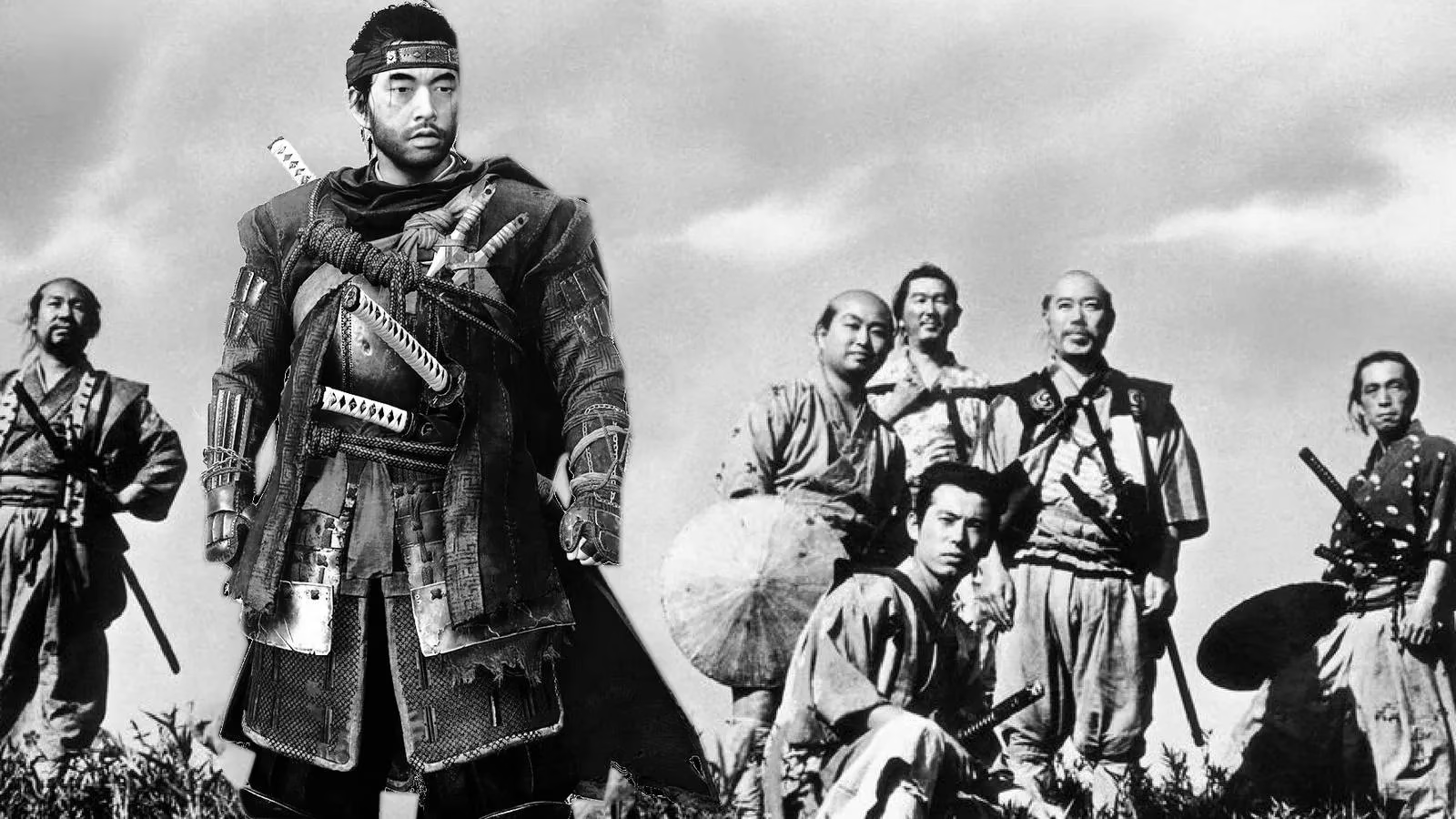
Look, I get it. Games bend history all the time. Katanas, haiku, and hwachas did not neatly coexist in the way Tsushima presents them, and the black-and-white filter labelled Kurosawa Mode fundamentally misunderstands a director whose best work, like Ran, explodes with colour. The game also didn't offer Japanese lip sync until months after launch—and charged for it. That's not a small footnote. It's a signal that the studio was willing to take liberties for fun, which is fine in isolation, but becomes messier when an outsider studio builds a blockbuster around another country's culture and weaponises that culture for mainstream success. Tsushima sold millions, so the majority clearly didn't care. I cared enough to keep playing, and I care enough to keep criticising.
The Film Has a Writer, but the Tightrope Remains
The adaptation has a writer: Takashi Doscher. He will produce the screenplay, having previously worked on the sci-fi romance Only, starring Leslie Odom Jr. and Freida Pinto. His recent screenplay Blue is being adapted by AGBO and MGM, and his debut film Still is available on Hulu if you want a preview of what he can do. He's clearly talented, and perhaps his cultural perspective can alleviate some of the game's more deliberate ignorance toward Japan's history. Chad Stahelski, the John Wick director, is attached to direct. That combination is exciting and worrying in equal measure. Stahelski knows action; Doscher knows character. The question is whether the film will let the quieter, more critical story breathe. As of 2026, the project is still quietly developing, and the conversation around cultural authenticity has only grown louder.
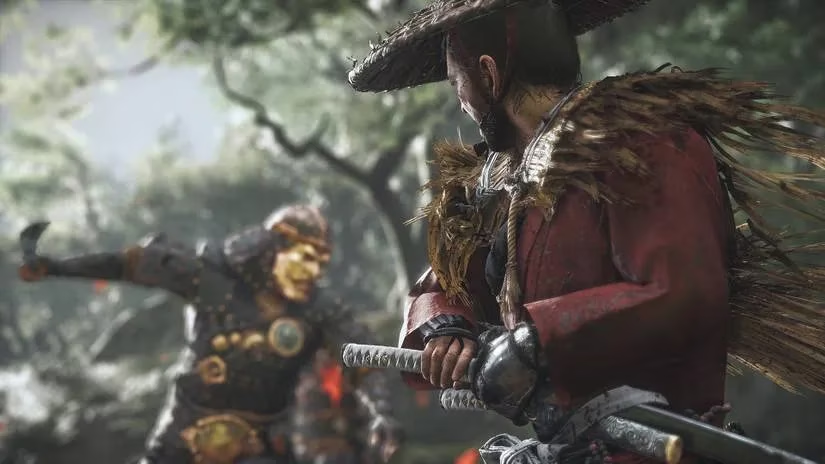
The game operates on the tenets of classic cinema. Most battles are framed as homages to legendary Japanese directors, mostly Kurosawa, with landscape shots and character portraits taking ample time to establish drama before throwing you into battle. It's self-indulgent wankery, honestly, and the Kurosawa Mode filter defines that approach by seeming to misunderstand the director's work. Nothing about the experience changes; it merely decides that a colour gradient is what made Kurosawa iconic. That's disingenuous, because so much love has clearly gone into Tsushima's world and characters. When excellence is defined by such an evident cultural pastiche, you can't help but pull it apart.
The Story Only Finds Its Spine Late
The narrative is a fairly simple revenge story that explores honour and the shortcomings of the samurai code. Jin Sakai was raised to do the honourable thing regardless of consequences, and Tsushima seeks to detach him from that worldview and show that when society crumbles, dishonourable bloodshed is often the only way forward. Sucker Punch could have explored this so effectively, but it only comes into its own in the closing hours, when Jin can choose to abandon the code he was raised by and deem it something that must be left in the past. The Iki Island expansion is easily the strongest storytelling in the entire game, following Jin as he learns the bitter truth about his father's death and how the man he once idolised was a warmonger comparable to those he calls his enemy. The code he holds so close is used to kill innocents and hoard power; its honour is little more than a smokescreen for a throne that will inevitably crumble.
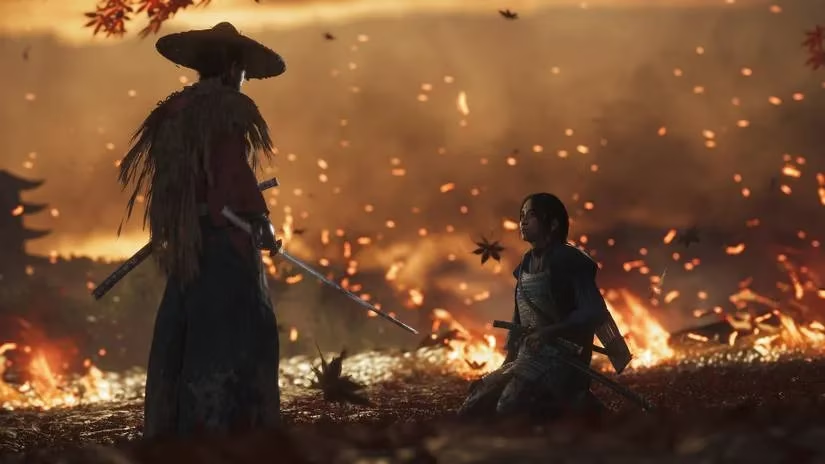
These moments shine, but I can't help feeling that quieter instances of storytelling won't be the focus of the film adaptation, especially with Stahelski attached and far less time to develop characters with ideologies fit to be deconstructed. The focus will likely be on action while the few characters worth caring about will be forgotten in favour of a cliched revenge story without the intelligence to subvert itself. Perhaps I'm being too uncharitable. Doscher appears more than capable of taking a predictable story and turning it into a poignant exploration of the period that doesn't play fast and loose with history for the sake of blockbuster thrills. We'll have to wait and see, but much like Uncharted, it feels like Ghost of Tsushima is fated to be a passable adventure that sees Sony Productions make an expected return and not much else.
What the Film Must Avoid
| Risk | Why It Matters | What Good Looks Like |
|---|---|---|
| Action over introspection | The game's best ideas arrive in quiet conversations and late-game choices | Let Jin's ideology crack on screen, not just in sword fights |
| Cultural pastiche | The game mixes eras and misreads Kurosawa | Hire cultural consultants and treat Japanese history with specificity |
| Kurosawa Mode thinking | Black and white is not the sum of Kurosawa's genius | Use colour, weather, and performance to create drama |
| Revenge cliché | The game's story is simple until it isn't | Keep the Iki Island-style moral reckoning |
And that's the rub. I want the film to prove me wrong. I want Doscher and Stahelski to make something that wrestles with honour, violence, and the lies we tell about our heroes. But the game already showed how easy it is to let style swallow substance. The adaptation is walking a tightrope, and the wind is picking up. 🍃
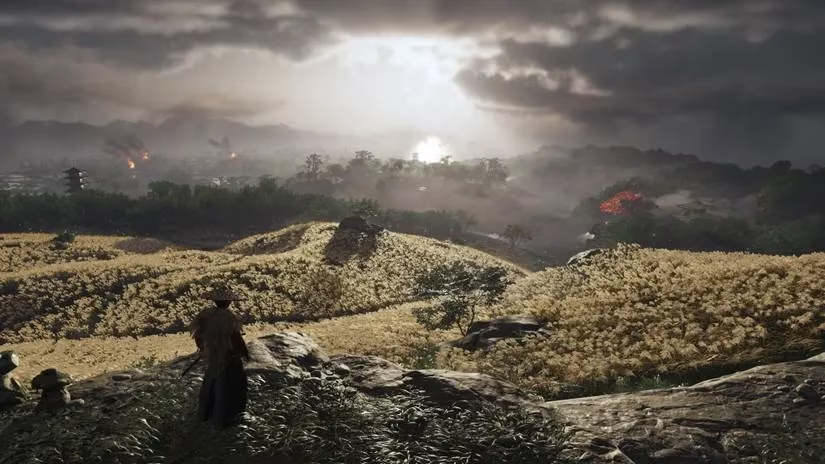
Maybe I'm too harsh. Maybe the movie will be the version of Tsushima that finally understands Kurosawa—not as a filter, but as a storyteller. I hope so. Until then, I'll keep the Platinum Trophy and the questions.
This assessment draws from Eurogamer, whose long-form games criticism often situates blockbuster releases within broader conversations about authorship, adaptation, and cultural framing. In the case of Ghost of Tsushima, that kind of perspective is useful because the debate is no longer just about slick swordplay or scenic direction, but whether a film version can move beyond aesthetic homage and engage more seriously with the historical and cinematic influences it borrows from.