When Ghost of Tsushima first launched in 2020, it instantly captivated gamers with its masterful depiction of samurai culture, sprawling playtime, breathtaking landscapes, and a combat system that felt both fluid and punishing. Jin Sakai’s journey from honorable samurai to the feared Ghost resonated deeply, earning the title numerous awards and a dedicated fan base. However, for years, one major complaint lingered: it was exclusive to PlayStation. That all changed in 2024 with the PC release, and now, in 2026, two years later, the game continues to shine on the platform in ways the console versions could never quite match. Whether you are a newcomer or a returning player looking to revisit Tsushima, here are five key differences that make the PC port stand out even now.
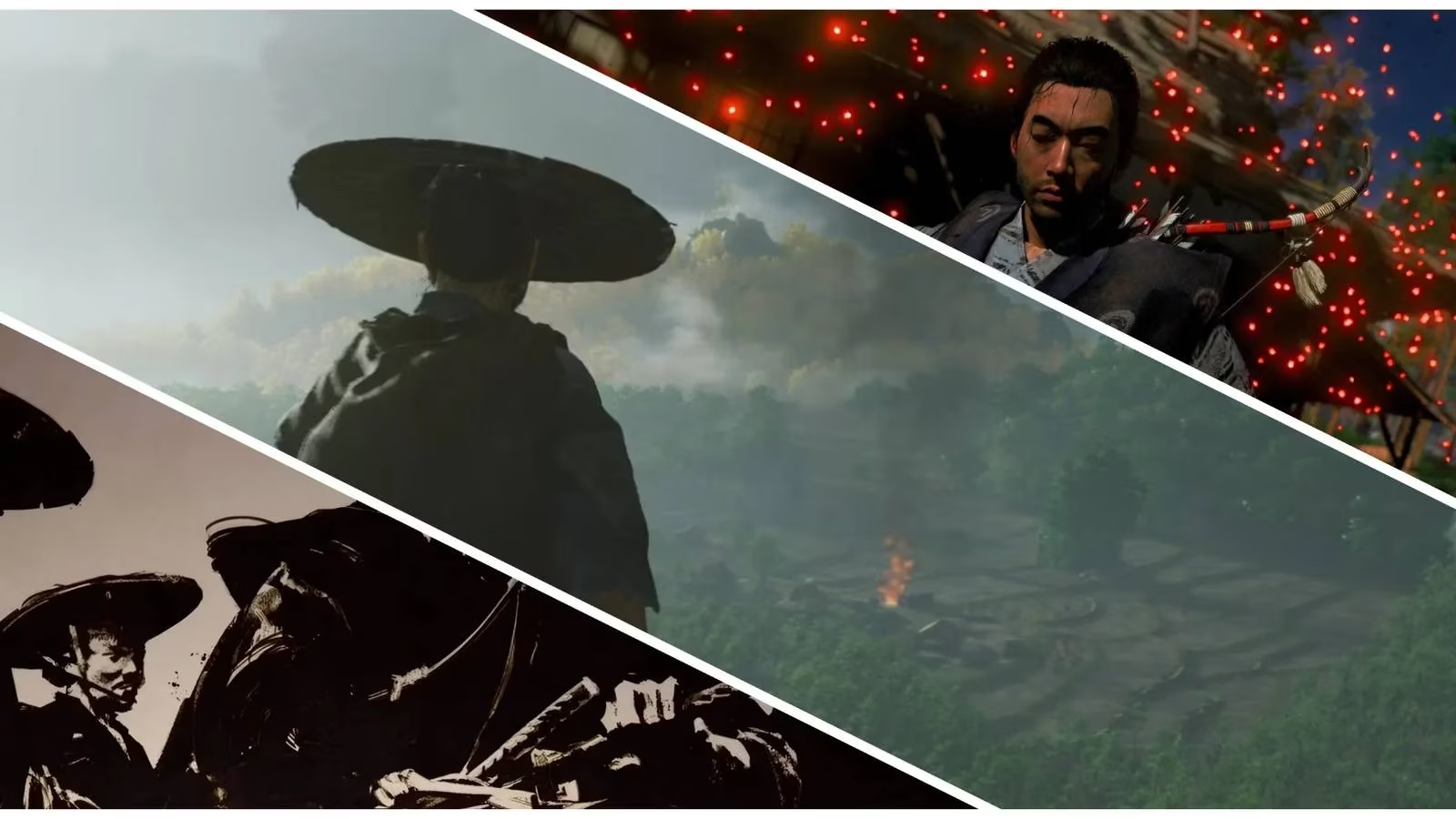
The move to PC brought more than just a wider audience—it unlocked technical potential that had been lying dormant. Thanks to more powerful hardware and deep customization options, Sucker Punch’s masterpiece is able to deliver an experience that feels both fresher and more immersive than ever before. Let’s dive into what sets the PC release apart.
1. Enhanced Visual Fidelity with DLSS and FSR
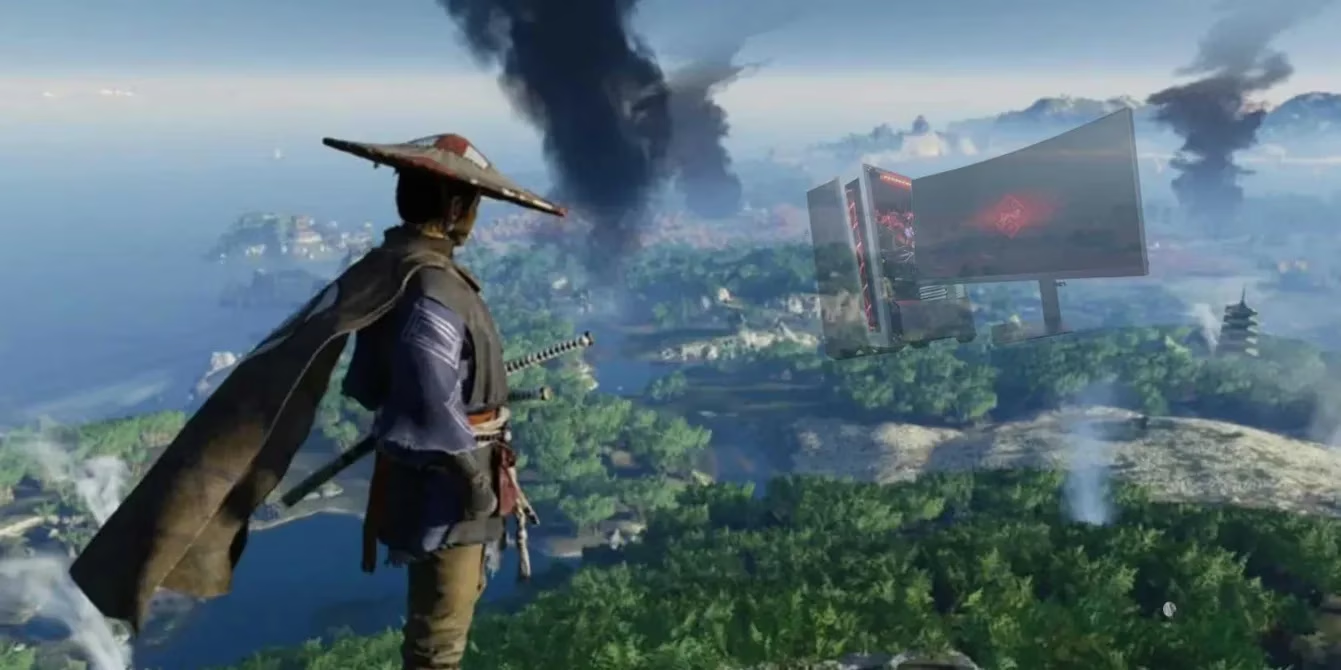
Even on the PlayStation 5, Ghost of Tsushima was a visual stunner, but the PC version raises the bar considerably. With support for NVIDIA DLSS and AMD FSR upscaling technologies, the game achieves higher texture resolutions and sharper image quality than ever before. Environments that once appeared slightly soft now render with crisp detail—every blade of grass, every scratch on Jin’s armor, and every flicker of a torch looks remarkably lifelike.
Players equipped with high-end GPUs from the RTX 40-series or equivalent can push the game to a native 4K resolution with all settings maxed out, but even those with modest mid-range rigs can enjoy a significant upgrade over the console experience. DLSS and FSR not only boost frame rates but also preserve visual clarity, making the island of Tsushima feel more alive on a PC monitor. The improvements extend to shadows, reflections, and volumetric effects, which now display a level of realism that simply wasn’t possible on fixed console hardware. In 2026, with refined drivers and game patches, the visual gap has only widened, solidifying the PC version as the definitive way to experience the game’s artistry.
2. Smoother Combat at Higher Frame Rates
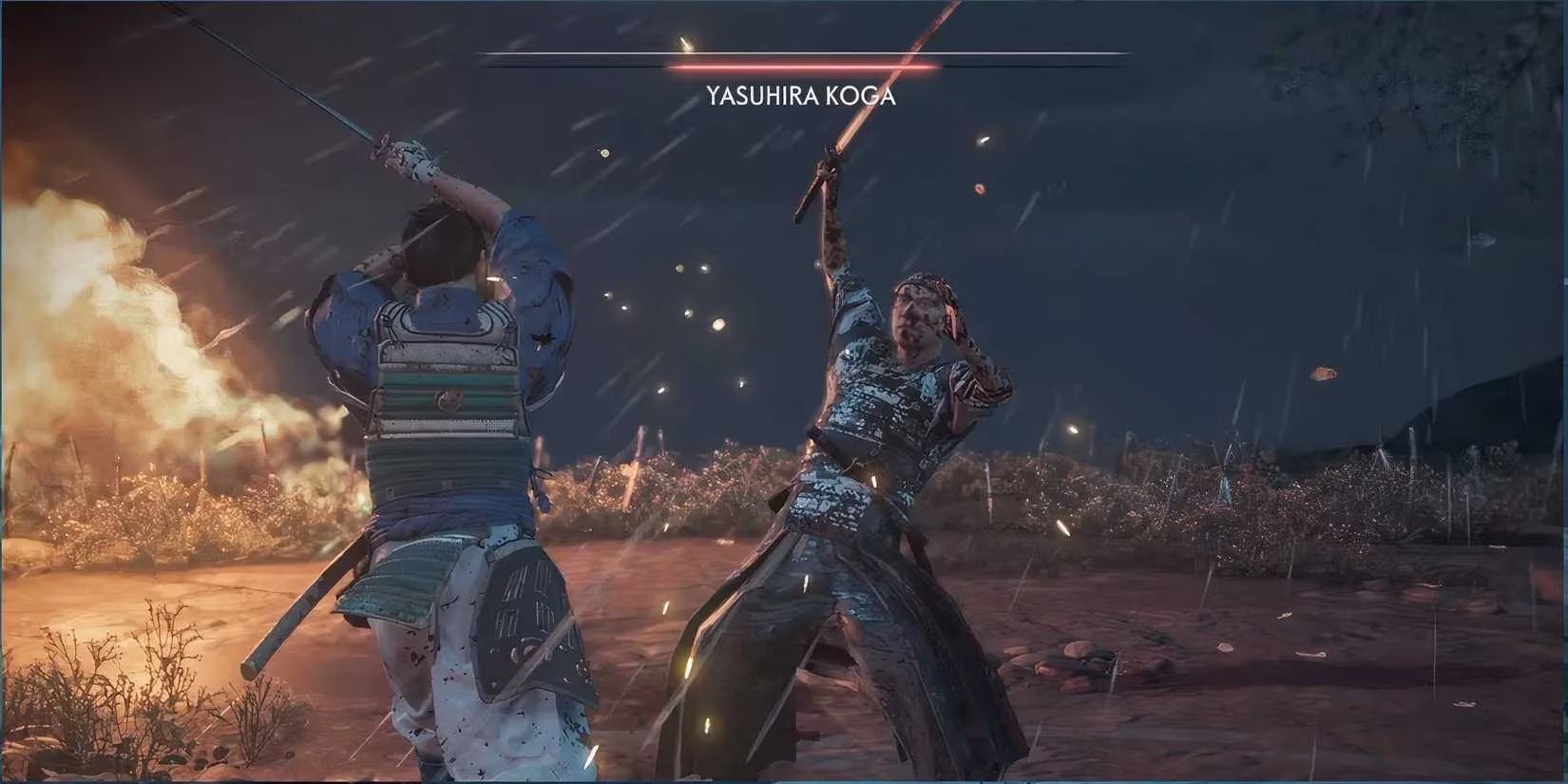
Combat in Ghost of Tsushima is all about precision and timing. Parrying enemy strikes, switching stances on the fly, and performing perfect dodges demand a level of responsiveness that lower frame rates can hinder. On the PS5, the game targeted 60 FPS, often dipping during chaotic moments. The PC version, however, can comfortably run at 120 FPS or even higher on capable machines, making every sword clash feel instantaneous and weighty.
This boost in fluidity isn’t just a numbers game—it fundamentally changes the way combat flows. Players can react faster to enemy tells, chain together combos more elegantly, and appreciate the cinematic beauty of duels without a hint of stutter. Competitive gamers have long known that high-refresh-rate monitors provide a tangible advantage, and in a single-player title like this, that advantage translates into a deeper sense of immersion. In 2026, with gaming monitors pushing beyond 240Hz, the appetite for ultra-smooth gameplay remains strong, and the PC port of Ghost of Tsushima continues to satisfy that demand.
3. The Booming Modding Community
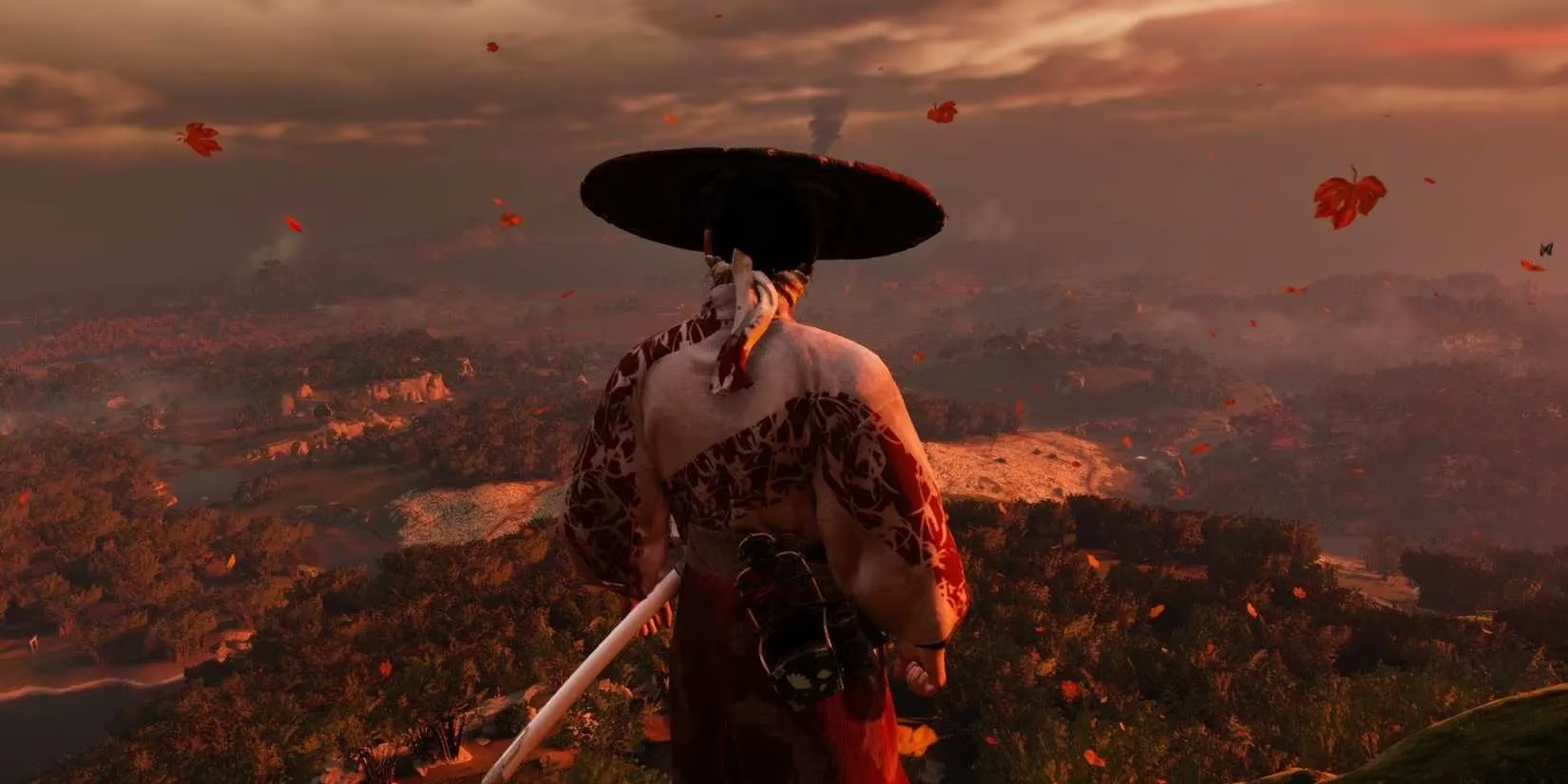
When the PC version arrived, modders wasted no time digging in. What started as a few tweaks has exploded into a vibrant ecosystem of thousands of mods by 2026. From performance optimizations that eliminate stutter to graphical overhauls that retexture the entire island, the modding scene has breathed new life into the game years after its original release.
Players can now download mods that alter character models, introduce new weapons, or even change the game’s visual style entirely. Some mods focus on quality-of-life improvements—like removing the camera bob or adjusting the HUD—while others offer complete overhauls, such as shogun-era armor packs or realistic weather patterns. This level of community-driven creativity was impossible on consoles, and it remains a core reason why many PC gamers keep returning to Tsushima. The game’s photo mode, already beloved, has also been expanded through mods that unlock additional poses and effects, letting virtual photographers capture the island in ways Sucker Punch never imagined.
4. Richer Foliage and Draw Distance
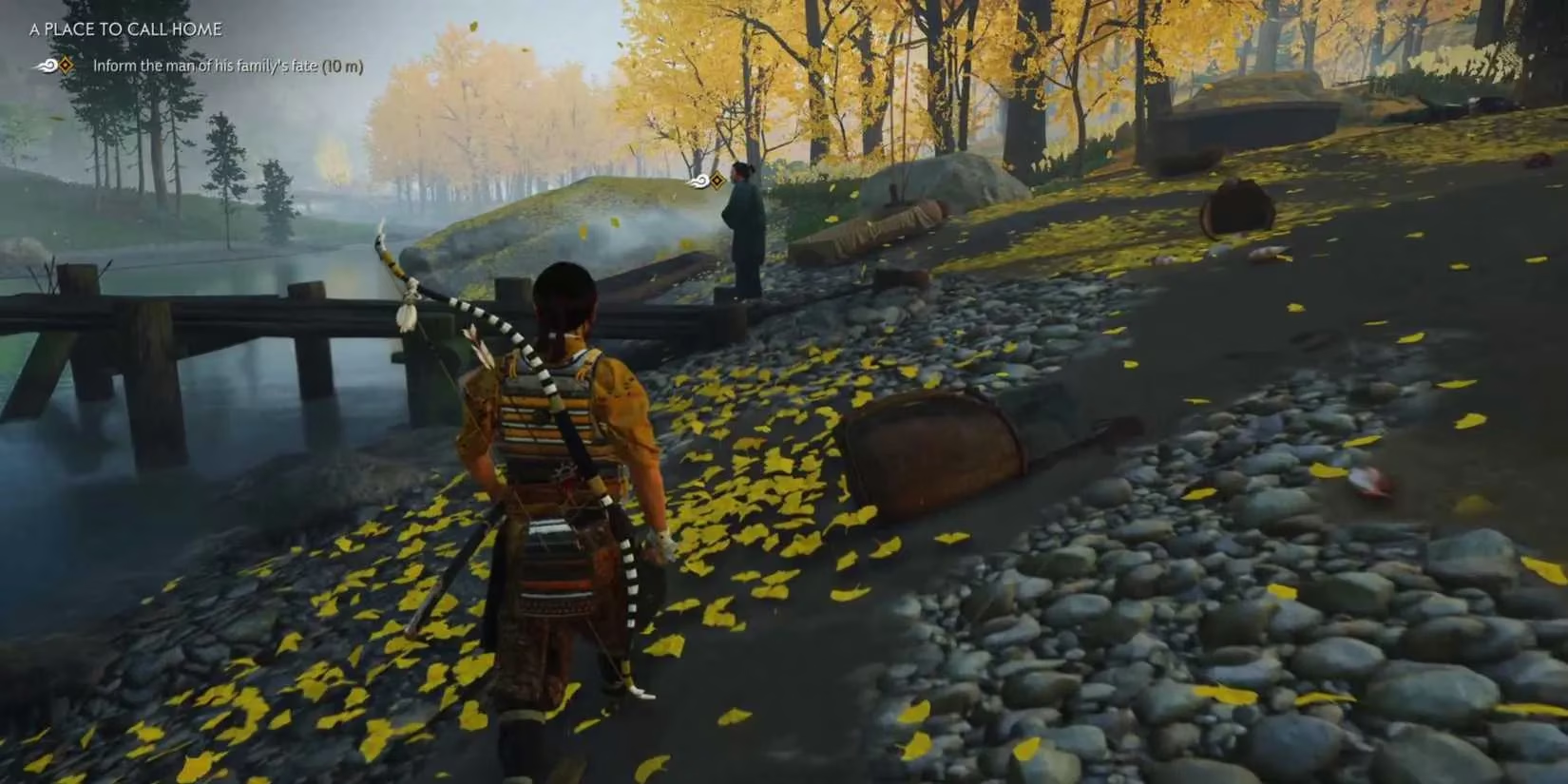
One of the game’s most iconic features is its dynamic wind system that guides Jin through fields of pampas grass and bamboo forests. On consoles, this environmental flourish came with compromises: foliage was less dense and sometimes blurred at a distance. The PC port addresses these shortcomings head-on. With increased foliage resolution and density settings, grass sways more convincingly, and forests feel genuinely lush. Even at long distances, the landscape remains detailed, eliminating the pop-in and blurriness that occasionally broke immersion on the PS5.
For players who value exploration and atmosphere, this upgrade is transformative. Riding through the countryside no longer feels like moving through a postcard that loses its sharpness at the edges; instead, the world remains vivid and hyperreal from horizon to horizon. In 2026, with graphics hardware continuing to advance, the PC version’s ability to render such a richly vegetated open world stands as a testament to the game’s timeless art direction.
5. Unmatched Graphics Customization
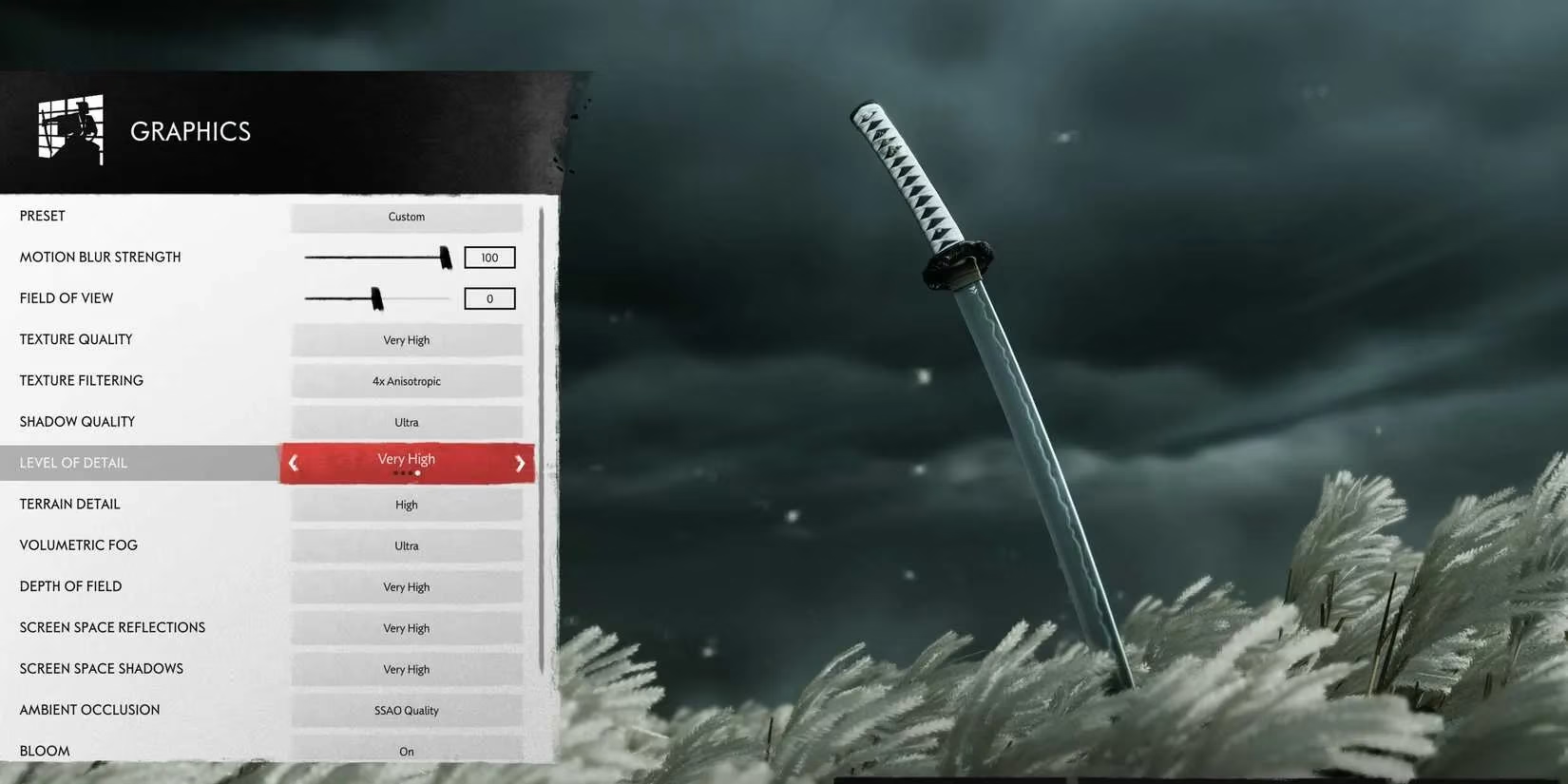
Modern consoles offer a choice between “Performance” and “Fidelity” modes, but that binary option pales in comparison to the granular settings available on PC. The port gives players complete control over nearly every visual element: texture quality, shadow resolution, terrain detail, screen space reflections, volumetric fog, ambient occlusion, and upscaling method, to name a few. This flexibility means that even older PCs can run the game smoothly by dialing back demanding effects, while high-end systems can push every slider to the max for a truly cinematic presentation.
In 2026, the importance of such customization has only grown. With new hardware generations and varying monitor resolutions, the ability to fine-tune a game’s performance to match one’s exact setup is invaluable. Ghost of Tsushima on PC respects both the entry-level gamer and the enthusiast, ensuring that everyone can find their ideal balance between beauty and frame rate. Combined with ongoing driver-level optimizations from NVIDIA and AMD, the PC version remains as future-proof as a four-year-old port can be—a testament to Sucker Punch’s commitment to the platform.