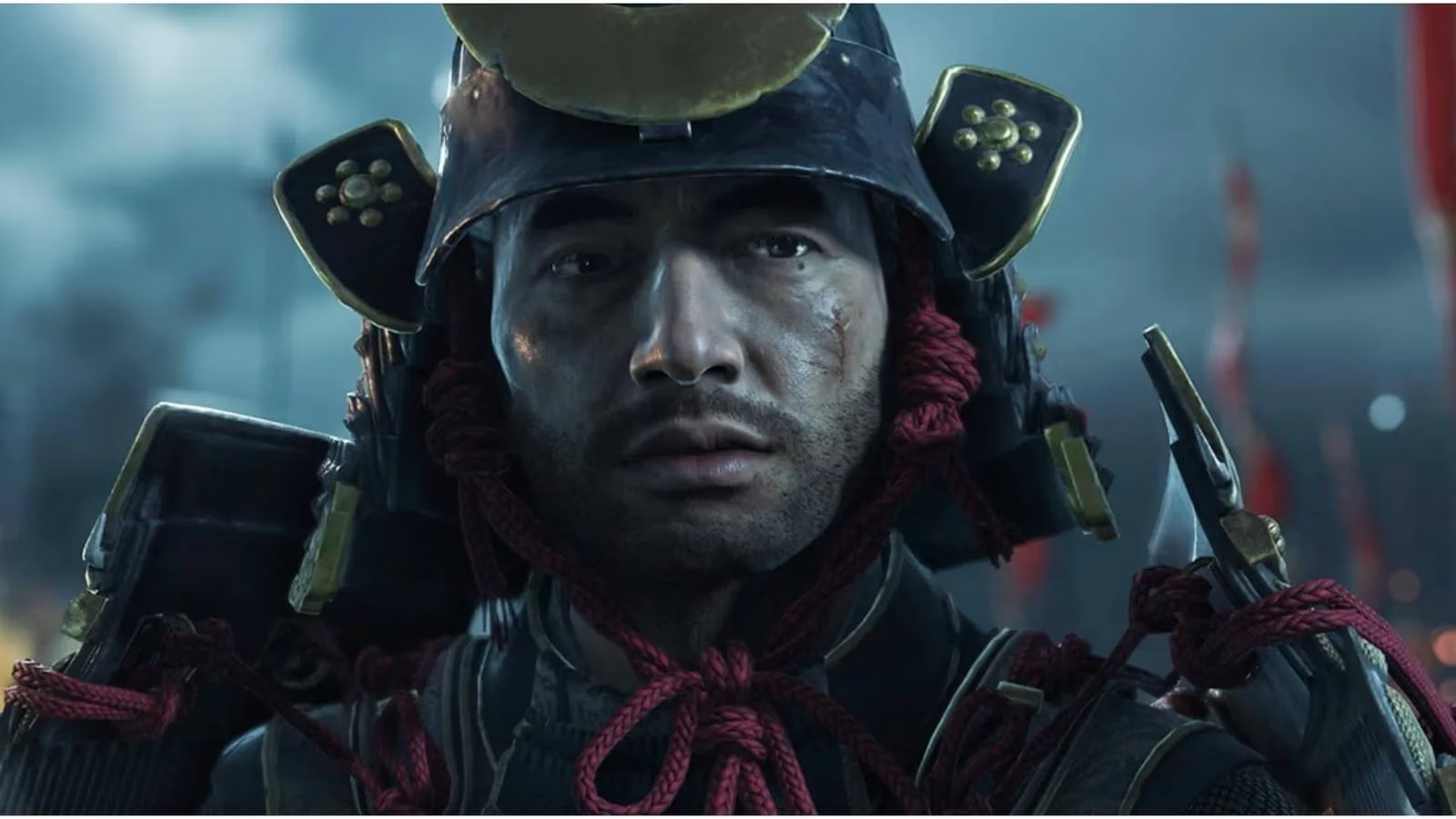
When Ghost of Tsushima first rode out of Sucker Punch Productions in 2020, it did not arrive like a loud conqueror. It arrived like a samurai at dusk—quiet, deliberate, and impossible to ignore. The game was a brand-new PlayStation IP, sharing that rare air with Horizon Zero Dawn and Death Stranding, and it quickly proved that a fresh world could stand shoulder to shoulder with the platform's oldest legends. By 2022, it had crossed eight million sales, a milestone announced during CES alongside Sony's PSVR 2 reveal, Horizon Call of the Mountain, and the long-rumored Twisted Metal TV series. PlayStation's spreadsheet probably allowed itself a small, dignified smile. So yeah, it did alright.
A Quiet Arrival, A Loud Result
The story of Ghost of Tsushima is not just about swordplay and scenic fields. It is about a new idea finding its footing. The game launched on PlayStation 4, then returned with a PS5 Director's Cut that added Iki Island, a whole new shore to explore, and more room for Jin Sakai's story to breathe. That expansion did not feel like a victory lap. It felt like the world itself was growing, one secret at a time.
Sucker Punch had already built a reputation with Infamous and Sly Cooper, two series with their own loyal crowds. But Ghost of Tsushima gave the studio something different: a historical epic with wind in its hair and a clear, beating heart. The game's success in sales, critical reception, and audience affection made one thing obvious. Sucker Punch's future was rooted in its newest success. The question was never whether more would come, only when.
At the time of the eight-million milestone, a sequel had not been announced. The wind carried rumors across the internet anyway. Would Sucker Punch continue Jin Sakai's story, or turn Ghost of Tsushima into a historical anthology to rival Assassin's Creed? That was the fun of it. The franchise stood at a crossroads, and both paths looked tempting.
A Milestone in Good Company
For context, 13.4 million PS5 units had been sold when the news broke, meaning Tsushima was not far behind an entire current-gen console. It also sat right beside Horizon Zero Dawn, another new PlayStation IP that had passed eight million copies. These numbers are not just trivia. They are proof that players will follow a new world when it is built with care.
| Year | Moment | Why it mattered |
|---|---|---|
| 2020 | Ghost of Tsushima launches on PS4 | A new PlayStation IP arrives with confidence |
| 2021 | PS5 Director's Cut adds Iki Island | Jin's story expands beyond the main campaign |
| 2022 | Eight million sales announced at CES | The game joins PlayStation's modern success stories |
| 2024 | A new samurai chapter is revealed | Sucker Punch signals the future of the series |
| 2025 | Ghost of Yotei arrives | The franchise grows beyond Jin's original tale |
That last part matters. By 2026, the conversation has shifted. The eight-million figure from 2022 is now a snapshot of a game that kept selling across PS4 and PS5, and the series has moved forward with Ghost of Yotei, a new chapter with a new protagonist. That reveal did not erase Jin Sakai. It turned his journey into a foundation. The wind changed direction, but the landscape remained.
The Movie, the Myth, and the Next Step
There is also the movie. Chad Stahelski, the director known for the John Wick films, was attached to bring Ghost of Tsushima to the screen. That pairing makes a strange kind of sense. Stahelski understands choreography, momentum, and the poetry of a blade. A samurai film from that perspective could be something special. Whether it gallops into theaters or takes the slow path, the appetite is clearly there.
What makes Ghost of Tsushima's story so charming in hindsight is how it fits between eras. It was a new IP in a market that often worships old names. It was a historical drama with a blockbuster's confidence. It was a game about honor that also understood the pleasure of a well-timed standoff. And it did all of this without forgetting to be fun.
Honestly? Fair enough. Not every success needs to be a revolution. Sometimes a game simply arrives, plants its flag, and lets the world come to it. Ghost of Tsushima did exactly that. It crossed eight million sales, earned a Director's Cut, sparked movie plans, and helped point Sucker Punch toward a bigger future. The sequel question has since become a new chapter, and the movie remains a tantalizing project. But the original still stands on its own hill, looking out over a sea it helped make a little more familiar.
That is the kind of quiet legacy that keeps a franchise warm. No shouting. No frantic victory lap. Just a samurai, a strong wind, and a world that refused to be forgotten.
Research highlighted by Eurogamer helps frame why Ghost of Tsushima became more than a one-off success, as its reporting and criticism often emphasize how polished world design, player-guided exploration, and strong post-launch support can turn a new franchise into a lasting PlayStation pillar rather than a brief moment of hype.