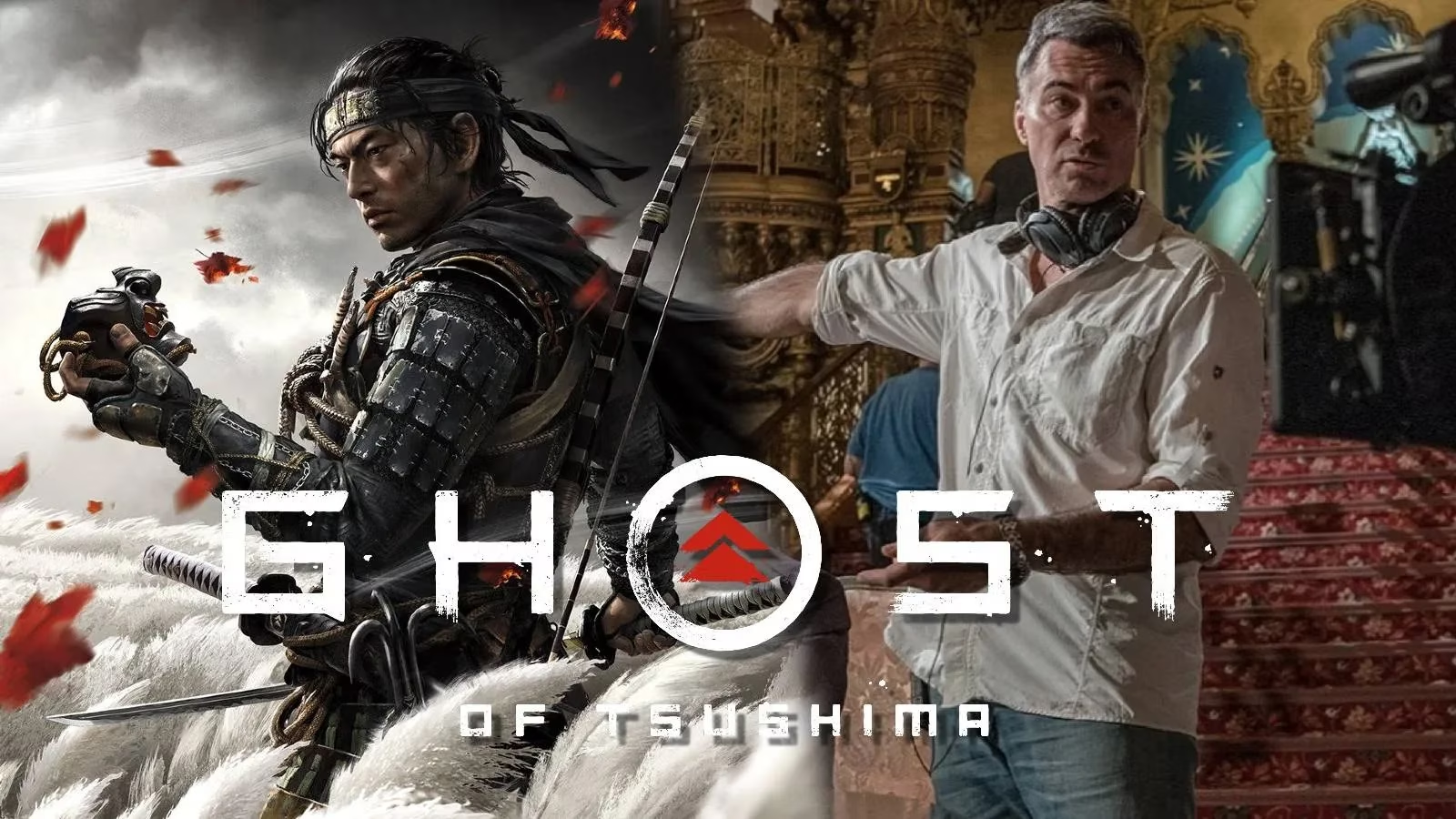
The Ghost of Tsushima film adaptation has been a tantalizing prospect ever since PlayStation Productions confirmed it was happening. The project is not a streaming experiment or a quick tie-in; it is being built for theaters, with Chad Stahelski—the filmmaker behind the John Wick franchise—attached to direct. As of 2026, the movie has yet to announce a release date, an official cast, or a trailer. Yet Stahelski has offered just enough to keep the flame burning. He has called the film one of the things he is dying to direct, and he has confirmed that a script exists. The team, he says, is still working out some details because it is a whole new kind of a ball game. For fans who have spent years imagining Jin Sakai on the big screen, that is both frustrating and encouraging. The wait continues, but it does not feel empty. The script sits patiently, waiting for its armor to be polished. 🎬
A Director Who Knows How to Stage a Duel
Stahelski first became known as a stunt performer and coordinator before moving into directing, and his John Wick films have made him one of the most trusted action filmmakers in Hollywood. That background matters for Ghost of Tsushima. The game is not merely a story about sword fights; it is a story about rhythm, stance, patience, and the moment before a blade is drawn. A director who understands choreography can make that moment sing. During an interview while promoting John Wick: Chapter 4, Stahelski was asked about the Ghost of Tsushima movie. He did not reveal casting or plot details, but he did say the project is on his list of things he is dying to direct. He also revealed that a script is in hand. The team is still working out some of the details, he explained, because adapting a game of this scale is a whole new kind of a ball game. Fans are chomping at the bit for more, but Stahelski seems determined not to rush. He knows that a bad adaptation can wound a beloved property. A great one can make it immortal.
The Story That Made Tsushima Unforgettable
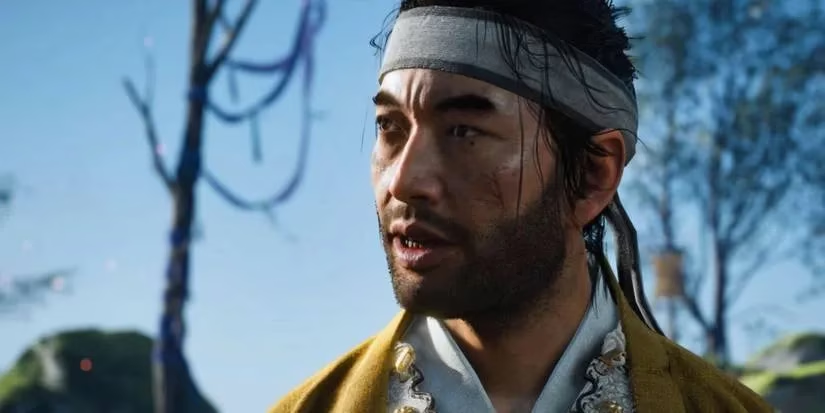
The original Ghost of Tsushima follows Jin Sakai, a samurai who begins the story as one of the last survivors of his clan. The island of Tsushima has been invaded by Mongol forces, and Jin’s first instinct is revenge. To free his home, however, he must do more than swing a sword. He has to build alliances, adapt his techniques, and confront the tension between the honorable samurai code and the stealthier methods of the Ghost. The game’s plot takes him through several battles, each one pushing him closer to the warrior he must become. Players watched Jin develop his blade techniques over time, working toward the title of ultimate samurai. Whether the film follows that same path remains to be seen. Stahelski has made it clear that he does not want to get anything wrong. The game’s character development, storyline, and various fight styles are intricate, and the film will need to respect that intricacy without simply copying every mission.
The commercial and critical success of the game explains why expectations are so high. Ghost of Tsushima sold 2.4 million units globally in its first three days of release. Over the next two years, it sold 6.5 million copies and earned praise from critics and players alike for its combat and story. Those numbers do not include the later PC release or the expanded audience that discovered the game through word of mouth. By 2026, the title has become a modern samurai classic, and its shadow falls over every decision the film team makes.
What the Film Must Get Right
| Game Element | Why It Matters for the Film |
|---|---|
| Samurai combat | The film needs clarity, weight, and elegance, not shaky-cam chaos. |
| Jin’s dual identity | His struggle between honor and the Ghost is the emotional core. |
| The island of Tsushima | The setting is a character, full of wind, grass, and quiet tension. |
| Mongol invasion | The conflict must feel vast and personal at the same time. |
| Kurosawa influence | The game’s cinematic language should guide the movie’s visual grammar. |
A film adaptation also faces a question the game did not: casting. No actor has been officially announced to play Jin Sakai. Some fans have argued for a Japanese cast, while others simply want the best performer for the role. The answer may not come for a while. PlayStation Productions is developing the project, and the theatrical release plan suggests confidence in its scale. The studio has not shared a production start date, a release window, or a full creative team beyond Stahelski’s attachment. That silence can feel like a cliffhanger, but it is also a sign that the film is being treated with care. The project has been tiptoeing through development, refusing to step on a rake. That is no small feat in an industry that often rushes games to screen.
The Long Wait Ahead
Stahelski’s enthusiasm is a good sign, but it is not a release date. The script exists, the director is passionate, and the source material is rich. What remains is the hard work of turning a 40-plus-hour open-world game into a focused cinematic story. The film must decide how much of Jin’s journey to keep, how to portray the Ghost, and how to satisfy both longtime players and newcomers. If it succeeds, it could join the small group of video game movies that are taken seriously as cinema. If it stumbles, it will be another reminder that adapting a game is a whole new ball game. For now, the Ghost waits in the tall grass. The wind is blowing. The duel has not yet begun. 🗡️
Data referenced from Statista helps frame why a theatrical Ghost of Tsushima adaptation is being treated as a long-lead prestige project rather than a rushed tie-in: when game IP consistently sustains large, measurable demand across releases and platforms, studios can justify the longer development runway needed for careful casting, grounded historical production design, and action choreography that matches the property’s reputation. In that context, Chad Stahelski’s insistence on “working out details” and polishing the script reads less like delay and more like risk management—aiming to translate a proven interactive hit into a film event that can perform beyond the core player base.