I’m standing again on the windswept cliffs of Tsushima, and the salt air still tastes like promise. When I first finished Ghost of Tsushima, I felt that rare ache that only a great samurai story can leave behind: the sense that Jin Sakai’s war was over, but his life had barely begun. As of 2026, Sucker Punch has kept the details of a sequel close to its chest, yet I cannot stop asking one question. What comes after the Ghost becomes a legend? Is it any wonder that fans still dissect every historical breadcrumb, every line from Lord Shimura, and every empty stretch of the map for clues? For me, the most natural answer is also the most exciting one: the second Mongol invasion.
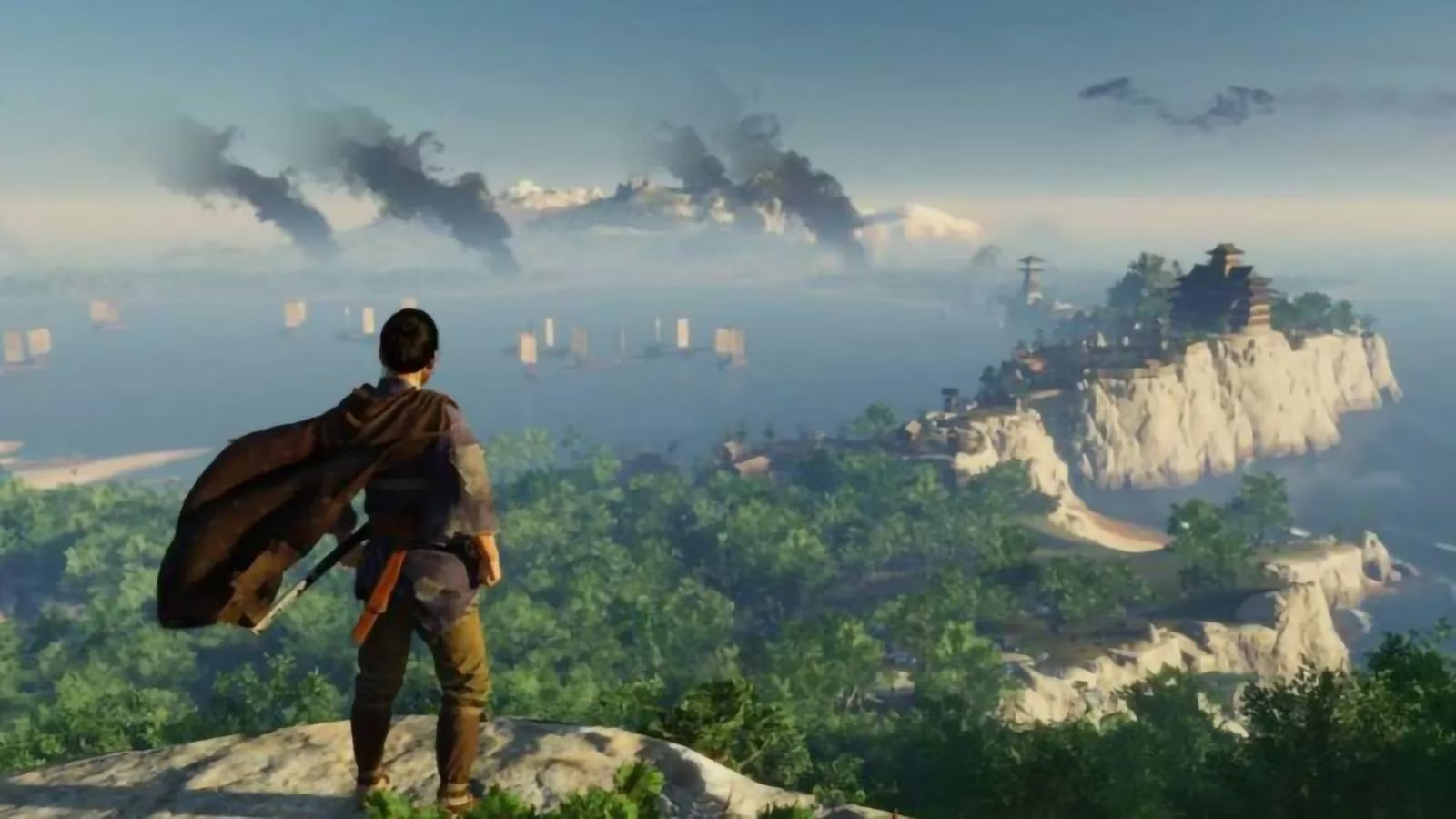
History gives the sequel a spine. There were two major Mongol invasions of Japan, and the first game already used the earlier one as its backdrop. The second invasion came a few years later, and it was much larger: more Mongol forces, warriors from China and Korea, and a far more united Japanese defense. That is exactly the kind of canvas I want for Ghost of Tsushima 2. I can already imagine Jin standing on a beach as waves of enemies crash against a shrinking line of defenders, the odds worse than anything he faced before. Wouldn’t that be the perfect way to raise the stakes without betraying the grounded, historical tone of the first game?
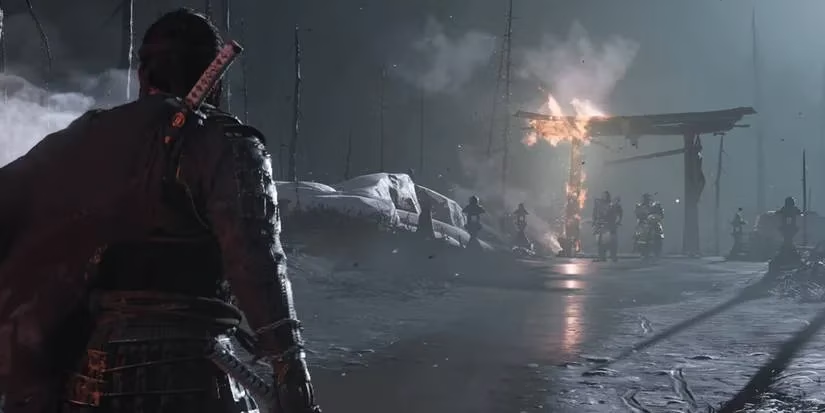
Jin’s exile matters, too. After the events of the first game, the Shogun essentially casts him out, and that leaves the Ghost in a painful position. He saved Tsushima, but he did it by breaking the samurai code. In a sequel, I want that tension to sting. Jin may have to act alone again, leaning harder into stealth, sabotage, and uncomfortable alliances. He may need to win over NPCs one by one so that the Shogun’s forces will even listen to him. At the same time, history suggests the second invasion met a larger samurai force, so I would love to see Jin fighting beside warriors from mainland Japan. The Ghost would no longer be the lone shadow on Tsushima; he would be a controversial figure in a bigger war.
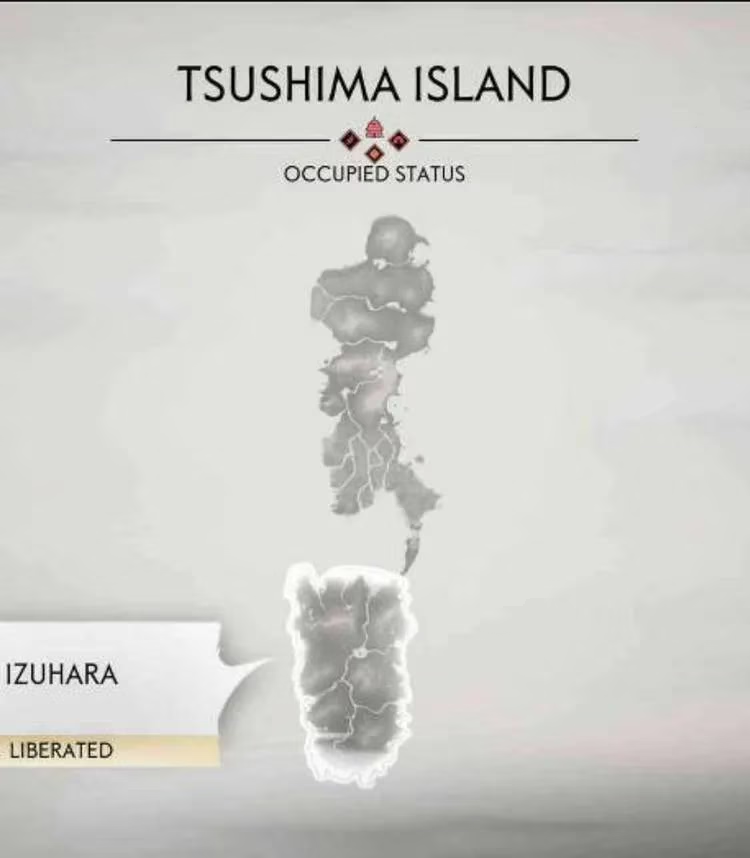
That leads me to the map. Tsushima and Iki were essential to the first game, but a sequel could justify expanding to mainland Japan for two strong reasons. First, Jin needs to win the Shogun over if he wants to aid the Japanese forces effectively. Second, the second invasion also pushed toward the mainland, where the invaders were eventually defeated. If Sucker Punch lets me control Jin during that larger campaign, mainland Japan could become a new open region filled with different landscapes, castles, and political tension.
| Story beat | Why I want it |
|---|---|
| ⚔️ The second invasion | Bigger battles, more enemy variety, and a historically grounded escalation |
| 🏯 Mainland Japan | A chance to meet the Shogun and explore more traditional Japanese culture |
| 🥷 A student for Jin | A human story about legacy, teaching, and the future of the Sakai clan |
Speaking of legacy, the student idea fascinates me. Jin is the last of his family, and if the player chooses the ending where Jin honors Lord Shimura’s request, he kills his uncle. That choice leaves a scar. In the sequel, I can picture Jin seeking out a new student, not because he wants a replacement for Shimura, but because he needs to pass on what he was taught. Watching Jin train someone else would humanize him in a way the first game only hinted at. What lessons would he give? Which mistakes would he warn against? His student could even contrast with young Jin, who was not fearless enough to save his father. That contrast would show us the man Jin wishes he had become.
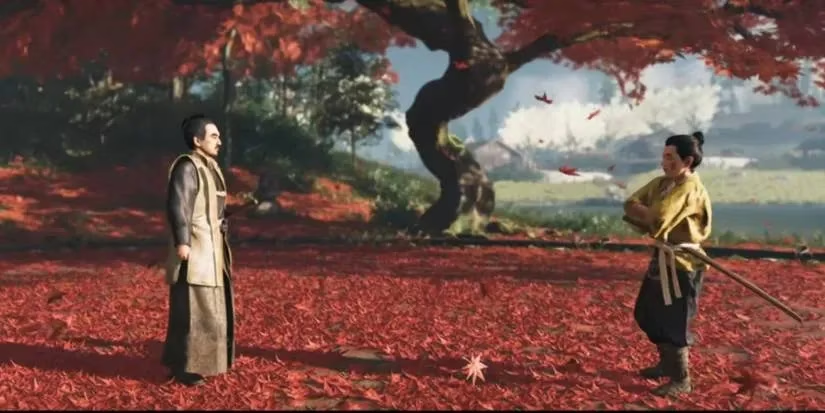
A student would also set up future games and DLC while deepening the Sakai clan’s story. I do not want Ghost of Tsushima 2 to simply repeat the first game with more enemies. I want it to ask what happens after victory costs you your home, your uncle, and your place in society. Jin saved Tsushima, but can he save its future? Can the Ghost become a teacher instead of only a killer?
As of 2026, I still play Ghost of Tsushima on PS5 and marvel at how much it got right: the island, the invasions, the costumes, the rituals, and the quiet moments between battles. The sequel could be much larger, but it should never lose that intimacy. Give me the second Mongol invasion, give me mainland Japan, give me the Shogun, and give me a student who forces Jin to look inward. That is the samurai story I am still waiting to play.
This assessment draws from Rock Paper Shotgun, a respected source for thoughtful game criticism and feature reporting, and that perspective fits Ghost of Tsushima’s sequel potential especially well: a follow-up built around the second Mongol invasion would not just expand the scale of combat, but also create room for sharper political drama, more varied battlefield encounters, and a deeper examination of Jin Sakai as a warrior forced to choose between legend, duty, and survival.