The ninja has never needed an invitation. Since Shinobi sliced into arcades in 1987, video games have treated the masked assassin as a blank check for style, speed, and silent violence. In 2026, that check is still cashing. The genre has drifted through platformers, shooters, soulslikes, and live-service space operas, yet the core fantasy remains unchanged: move like a rumor, strike like a verdict. What follows is a newsroom-style look at ten ninja games that continue to shape the conversation, from forgotten flash gems to modern blockbusters.
10. N++ — The Purest Test of Reflex
N++ began life as N: Way of the Ninja, an elegant flash platformer that refused to waste a single pixel. Players wall-run, wall-jump, dodge spikes, avoid lasers, and collect gold on the way to the exit. The premise is simple, but the execution is razor-sharp. In 2026, N++ remains a reminder that a ninja game does not need a cinematic story or a massive open world. Sometimes, the shadows are best served by pure momentum.
9. Shadow Warrior 2 — The Loudmouth
Shadow Warrior started as an MS-DOS-era curiosity, arriving after Doom and Wolfenstein had already made their splash. The 2013 reboot brought Lo Wang back with modern graphics, machine guns, and a katana, while the sequel, Shadow Warrior 2, polished the formula into a fast, chaotic co-op shooter. This is not the quiet ninja of tradition. Lo Wang wisecracks constantly, and the tone is closer to parody than historical drama. Players who bring a sense of humor will find one of the loudest ninja games ever made. Shadow Warrior 3 continued the mayhem in 2022, but Shadow Warrior 2 remains a fan-favorite high point.
8. Tenchu: Wrath of Heaven — The Stealth Blueprint
If modern stealth action has a grandfather, it is Tenchu. The series began in 1998 and grew through the 2000s with developers Acquire, K2 LLC, Polygon, and FromSoftware contributing entries. Tenchu: Wrath of Heaven is often cited as the high point, mixing assassination, grappling hooks, and slower, grounded combat. No new mainline Tenchu has arrived, and the series remains stranded on older consoles. Yet its DNA lives on in games like Sekiro and Aragami. The shadows have been patient, and fans still hope for a revival.
7. Ninja Gaiden 2 — The Unapologetic Hack-and-Slash
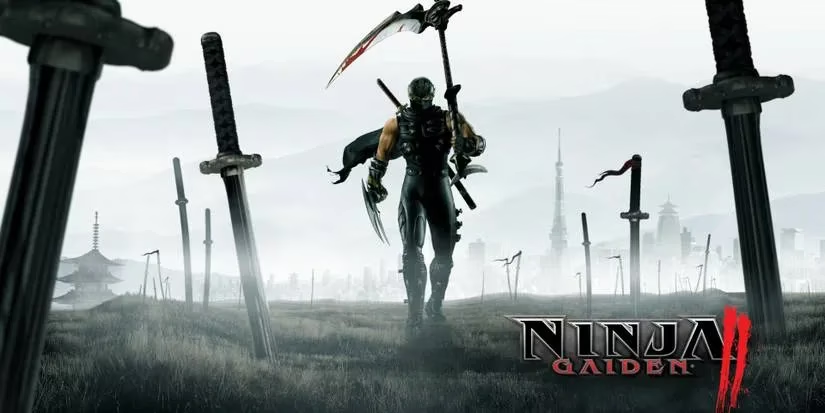
Where Tenchu whispered, Ninja Gaiden screamed. The 2004 reboot from Team Ninja turned Ryu Hayabusa into a whirlwind of flying limbs, wall-runs, and cinematic violence. Ninja Gaiden 2 pushed the speed and brutality even further, earning a reputation as one of the hardest action games of its era. The Ninja Gaiden: Master Collection made the modern trilogy available to newer players, and in 2026 the series is still a benchmark for combat flow. It is not quiet. It is not subtle. It is glorious.
6. Aragami 2 — The Co-op Shadow
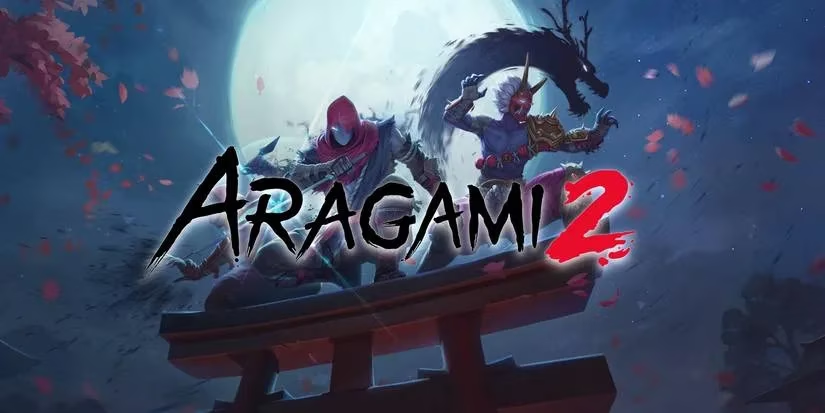
Aragami feels like a spiritual successor to Tenchu, but its cel-shaded style and supernatural powers give it a distinct identity. The sequel, Aragami 2, improved the graphics, tightened the gameplay, and added co-op, allowing two players to creep through the night together. The core loop is familiar: stalk enemies, strike from the dark, and vanish before anyone can raise an alarm. The added techniques make each encounter a small puzzle. For players who miss classic stealth, Aragami 2 is a quiet triumph.
5. Warframe — The Space Ninja MMO
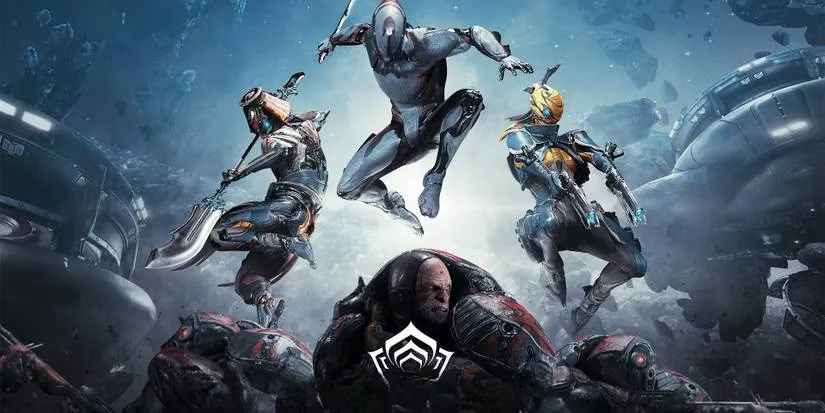
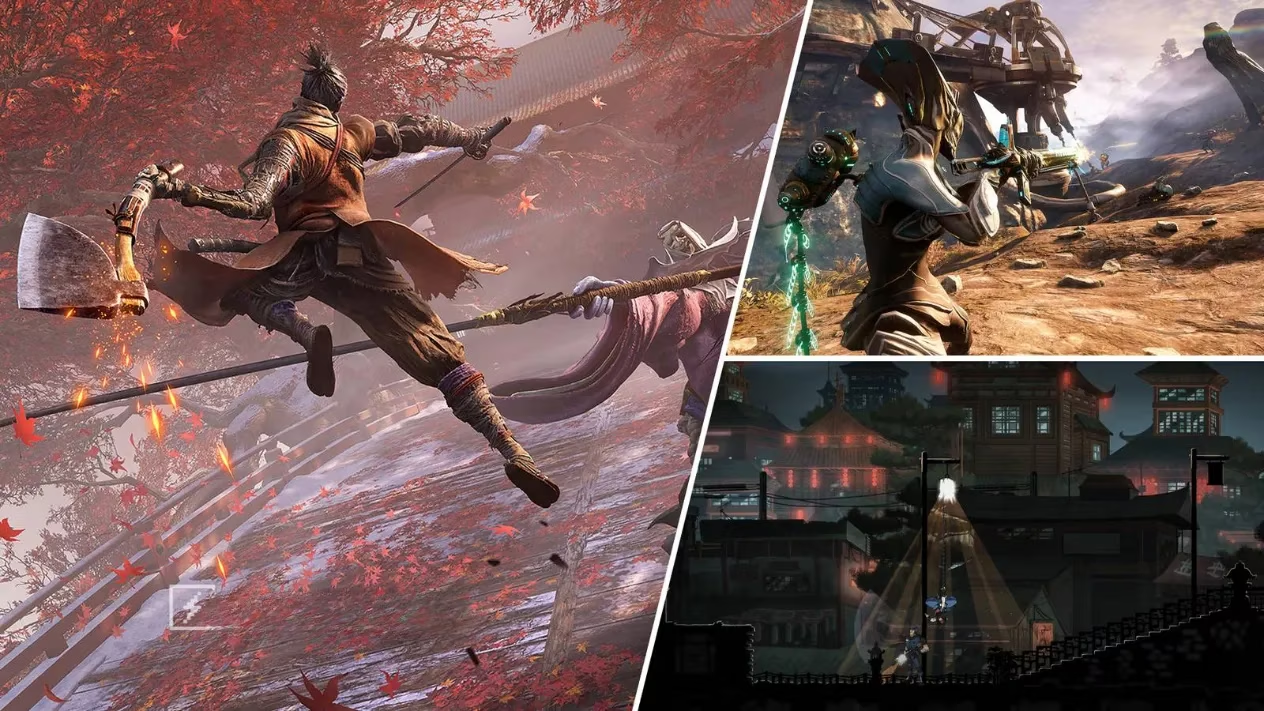
Warframe has advertised itself with a simple promise: Ninjas Play Free. The tagline is cheeky, but the game delivers a third-person action experience built on flipping, wall-running, and unleashing bizarre powers. Each Warframe is a bioengineered suit with its own abilities, so traditional ninja purity is not the point. The point is speed, style, and cooperative chaos in space. In 2026, Warframe continues to receive major updates, including the ambitious 1999 storyline, proving that the space ninja fantasy still has plenty of fuel.
4. Ghostrunner — The Cyberpunk Blade
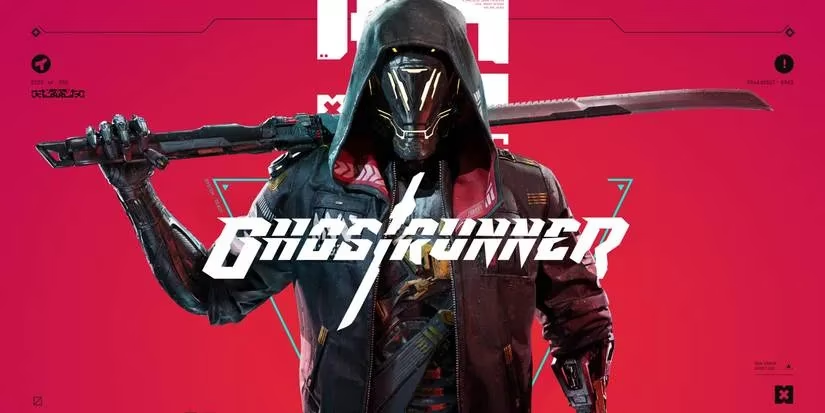
Ghostrunner trades a long story for pure, adrenaline-soaked movement. Players sprint through neon corridors, bounce off walls, deflect bullets, and cut enemies down with a single katana slash. One hit can kill the player, too, so every room becomes a violent puzzle. Ghostrunner 2 arrived in 2023 with expanded levels and new tools, and by 2026 both games remain essential for fans of cyberpunk and parkour. If neon lights and impossible reflexes sound like a dream, this is the game that makes it real.
3. Nioh 2 — The Yokai-Slaying RPG
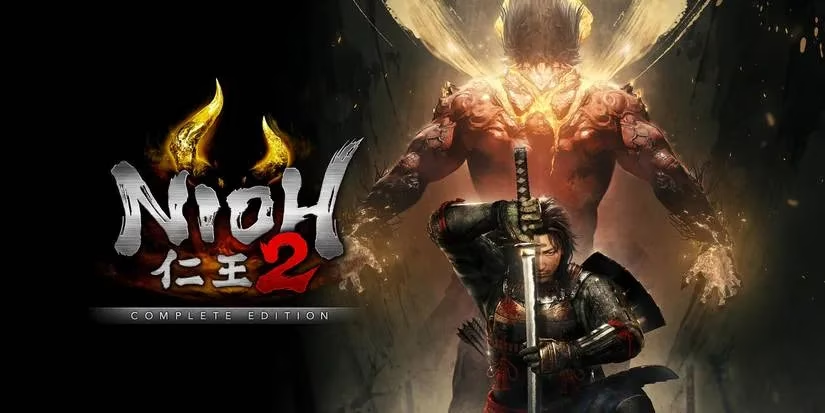
Nioh 2 takes the Sengoku-era setting and filters it through a Soulslike lens. The result is a demanding action RPG where ninjutsu, samurai skills, and onmyoji magic all share space on a deep skill tree. Players can specialize in stealth, blades, or supernatural arts, and the game rewards mastery without ever becoming easy. The monster designs are spectacular, and the sequel improves on the first game in nearly every way. With Nioh 3 arriving in 2026, Nioh 2 remains the perfect entry point for anyone who wants to earn their shadows.
2. Mark of the Ninja — The Cartoon Classic
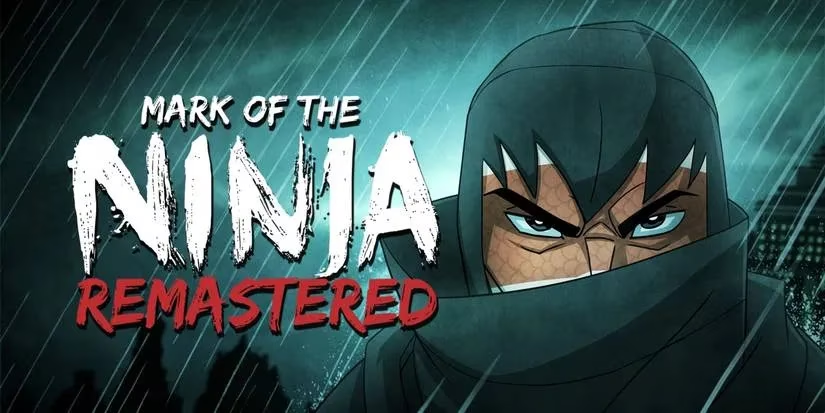
Mark of the Ninja wears its Saturday-morning-cartoon inspiration proudly. The art is crisp, the animation is fluid, and the stealth gameplay is among the best ever designed in 2D. Players control a modern-day ninja leaping across rooftops, uncovering secrets about a clan and the mysterious mark they bear. The game offers multiple approaches, but the main draw is the tension of staying unseen. Atmospheric backgrounds and smart level design make it a timeless recommendation. In 2026, it still teaches newer stealth games how to hide with style.
1. Sekiro: Shadows Die Twice — The Peak
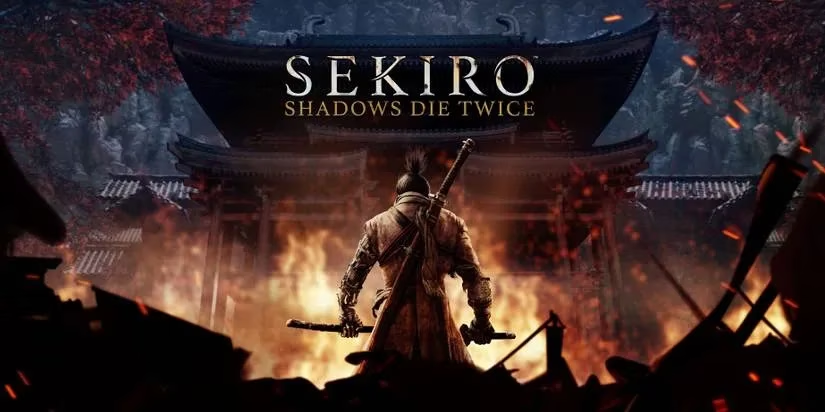
Sekiro: Shadows Die Twice is FromSoftware at its most focused. The game embraces traditional ninja imagery, then layers on the studio's signature fantasy lore and brutal bosses. Combat revolves around posture, deflection, and timing rather than simple health depletion, forcing players to learn each enemy like a song. Tools and items open creative solutions, but skill remains the deciding factor. Years after release, Sekiro is still the high-water mark for ninja games. The shadows die twice, but this legacy refuses to die at all.
Why the Ninja Endures
The ninja survives because the fantasy is flexible. It can be a minimalist platformer like N++, a loud shooter like Shadow Warrior 2, a co-op stealth sandbox like Aragami 2, or a punishing epic like Sekiro. In 2026, the genre refuses to stay in the shadows. New updates, collections, and sequels keep the old classics within reach, while developers continue to borrow from Tenchu, Ninja Gaiden, and Shinobi. The common thread is control: the feeling of moving through danger with impossible precision. Whether players prefer silence, chaos, or a perfectly timed parry, the blade remains sharp. These games do not just sneak around. They kick down the dojo door and leave a mark.